NASA Rover Discovers Largest Organic Compounds on Mars
NASA's Curiosity rover has identified the largest organic compounds ever found on Mars, raising exciting questions about the potential for life on the planet billions of years ago.
According to The Guardian, the compounds were detected in a 3.7 billion-year-old rock sample from Yellowknife Bay, an ancient lakebed that once had the essential elements for life during Mars' warmer, wetter period. Analysis onboard the rover revealed long-chain alkanes, organic molecules believed to be remnants of fatty acids. While these compounds can form through non-biological processes, they are also vital components of cell membranes in living organisms on Earth. Although researchers do not claim to have found definitive evidence of past life, one expert noted that this represents a significant opportunity to uncover traces of life on Mars.
Dr. Caroline Freissinet, an analytical chemist leading the research at the Atmospheres and Space Observations Laboratory in France, emphasized, "These molecules can come from either chemical or biological processes. If long-chain fatty acids are present on Mars, they could originate from cellular membranes that existed 3.7 billion years ago."
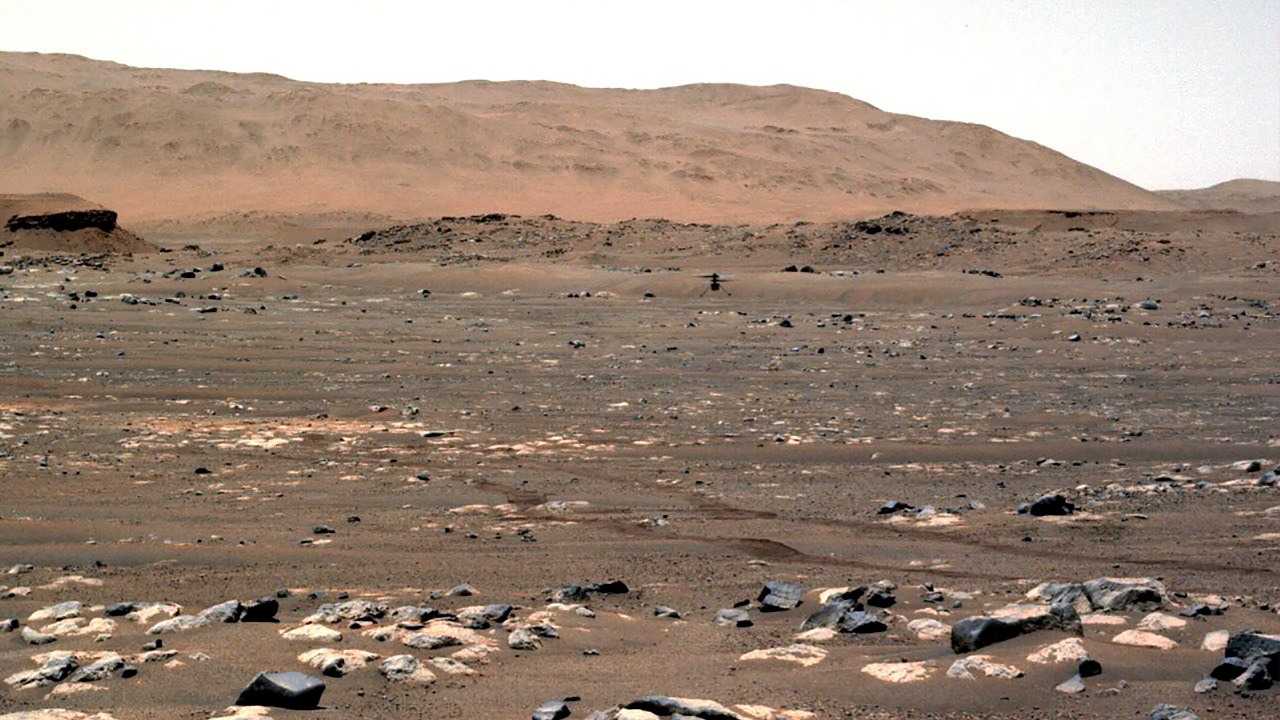
Since its landing in 2012, Curiosity has traveled over 20 miles (32 km) across Gale Crater. Six years into its mission, it detected organic traces in ancient mudstone, but these were shorter carbon-chain molecules. For the latest study, Freissinet and her team developed new methods to analyze a larger portion of the mudstone sample, revealing significantly larger compounds like decane, undecane, and dodecane.
Research indicated that the Martian rock sample, known as Cumberland, likely contained carboxylic acids that could have converted to alkanes during heating. Further analysis showed that, similar to Earth, fatty acids produced by organisms often contain more even-numbered than odd-numbered carbon atoms—an intriguing trend observed in the Martian organics as well.
This discovery suggests that organic signatures of life may persist in Martian rocks for billions of years, bolstering hopes of finding remnants of ancient life. Future analyses of a second sample may provide further evidence, but definitive proof will require a Mars sample-return mission.