NASA Rover Discovers Largest Organic Compounds on Mars
NASA's Curiosity rover has identified the largest organic compounds ever discovered on Mars, sparking intriguing questions about the potential for life on the planet billions of years ago.
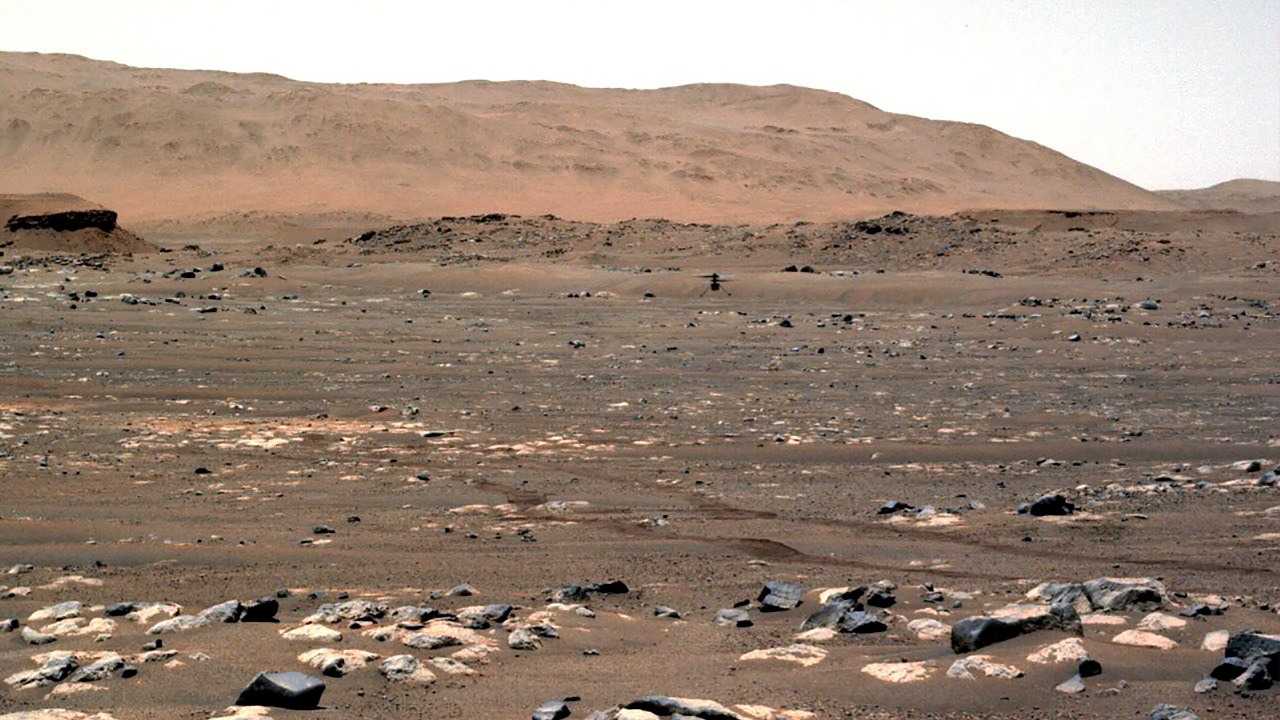
According to The Guardian, these compounds were found in a rock sample estimated to be 3.7 billion years old, collected from Yellowknife Bay, an ancient lakebed that once had the essential elements for life during Mars' warmer, wetter era. Analysis conducted on the rover revealed the presence of long-chain alkanes, organic molecules believed to be remnants of fatty acids. While these compounds can form through non-biological chemical reactions, they are also fundamental components of cell membranes in all living organisms on Earth. Although researchers do not claim to have discovered definitive evidence of past life, one expert noted that this finding represents a significant opportunity to uncover traces of life on Mars.
Dr. Caroline Freissinet, an analytical chemist leading the research at the Atmospheres and Space Observations Laboratory in Guyancourt, near Paris, remarked, "These molecules can be produced through either chemical or biological processes. If long-chain fatty acids exist on Mars, they could be remnants of cellular membranes from 3.7 billion years ago."
Since landing on Mars in 2012, Curiosity has traveled over 20 miles (32 km) across Gale Crater. Six years into its mission, it detected organic traces in ancient mudstone, but these were shorter carbon-chain molecules. For the recent study, Freissinet and her team developed a new method to analyze a larger portion of the mudstone sample. This time, Curiosity found significantly larger organic compounds, including decane, undecane, and dodecane.
Research on Earth indicated that the Martian rock sample, known as Cumberland, likely contained carboxylic acids, which could have converted to alkanes during heating. "While non-biological processes can produce these acids, they are generally regarded as universal byproducts of biochemistry, both on Earth and possibly on Mars," the scientists noted in 'Proceedings of the National Academy of Sciences'.
Further analysis revealed that, similar to Earth, the fatty acids produced by organisms typically contain more even-numbered than odd-numbered carbon atoms, a trend observed in the Martian organics as well. "Cumberland is teasing us," Freissinet stated, noting that the compound with 12 carbon atoms was more plentiful than others. However, drawing definitive conclusions from just three molecules remains challenging.
This discovery suggests that organic signatures of life may persist in Martian rocks for billions of years, fueling hopes that remnants of ancient life could still be found. The next step involves analyzing a second sample from the same rock in search of even larger organic compounds, which might provide further evidence.
John Eiler, a professor at Caltech, suggested that examining the different isotopes of carbon and hydrogen in the organics could help determine their origins, but this requires specialized equipment currently only found in select labs on Earth. "At this time, there is no viable method for making such measurements with instruments on Mars," he stated. "This will likely have to await a Mars sample-return mission."
Eiler concluded, "The findings present the best opportunity we've had to identify remnants of life on Mars. However, definitive proof requires returning these samples to Earth."