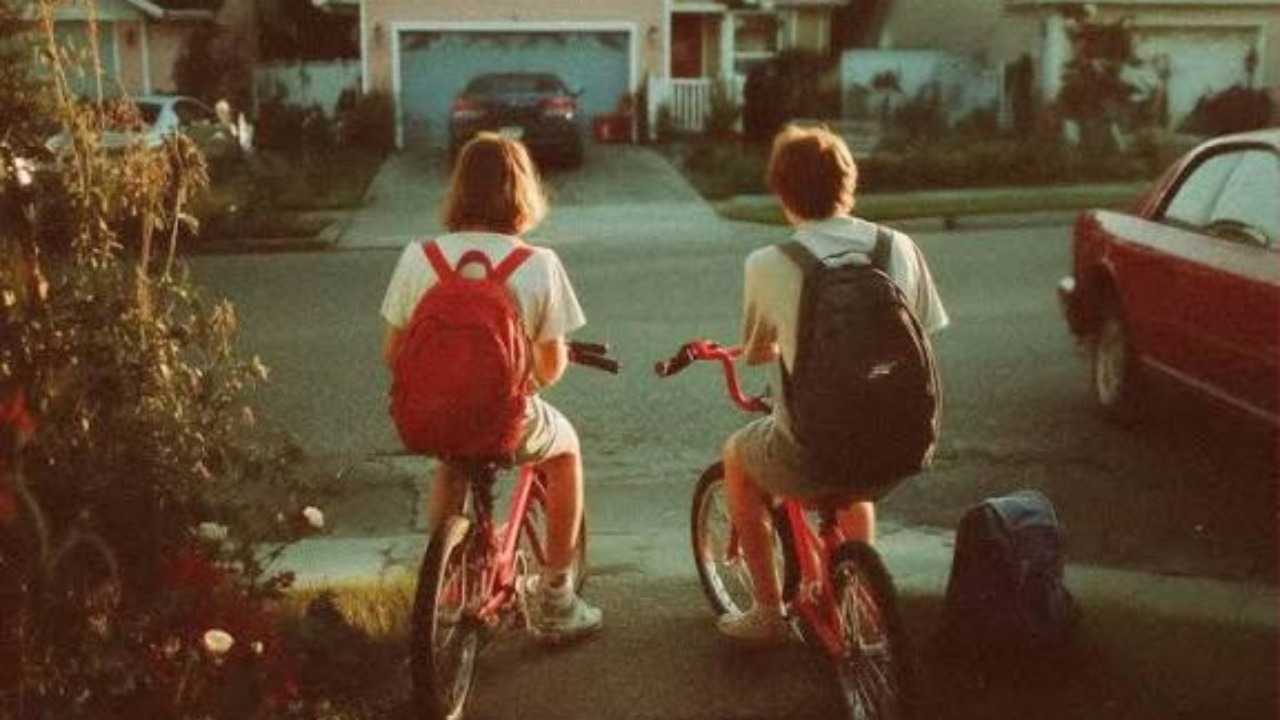
Fake AI videos have a new generation loving 1980s life
"The 1980s are calling," a teenager with a throwback hairstyle tells viewers as "Everybody Wants to Rule the World," the Tears for Fears rock anthem from that decade, plays in the background.
The fake montage -- entirely generated using artificial intelligence -- has racked up more than 600,000 "likes" on Instagram and is part of an internet fad known as "AI nostalgia," which can be confounding to those who actually lived through the decade.
Maximal Nostalgia, the Instagram account that regularly puts out such content, basks in a hugely idealized vision of the 1980s and 1990s.
The soft-focused fantasy land comes thanks to generative AI tools like OpenAI's Sora, Google's Veo or Luma AI's Ray that enable creation of strikingly realistic videos that are, at first glance, difficult to distinguish from real footage from the past.
Channels on Instagram, TikTok and YouTube look back in time through the AI-tinted lens, depicting pre-iPhone young people as being more present in the everyday, outdoors and eager to connect with others in real life.
Among the creators bringing this vision of the 1980s to life is Tavaius Dawson, a 26-year-old entrepreneur behind the account who was born nowhere near the time in question.
"People who were born in an era of smartphones and social media kind of wish they'd lived in a time when they didn't have to worry about this stuff," Dawson told AFP.
- 'Rose-colored glasses' -
An expert eye familiar with the era could sniff out some of the anachronisms and subtle absurdities common to AI. Bike lanes in New York City back then?
But the decade has proven to have a particularly powerful allure in the AI nostalgia trend that is appreciated by young people born long after the period.
Maximal Nostalgia and other channels like it, such as Purest Nostalgia or utopic.dreamer, depict peaceful suburbs or city streets, reminiscent of feel-good movies from that period.
Signs of the rising inequality, AIDS epidemic and crack cocaine addiction of the 1980s are absent.
Styles captured in the faux videos instead pay tribute to big hair, bright clothing and padded shoulders for which the decade is known.
"You have people look at the 1950s or 1960s through rose-colored glasses, forgetting a lot of tumultuous things that were happening at those times," North Carolina State University psychology professor Anna Behler said of collective nostalgia.
"Now, we're seeing the same thing with the '80s."