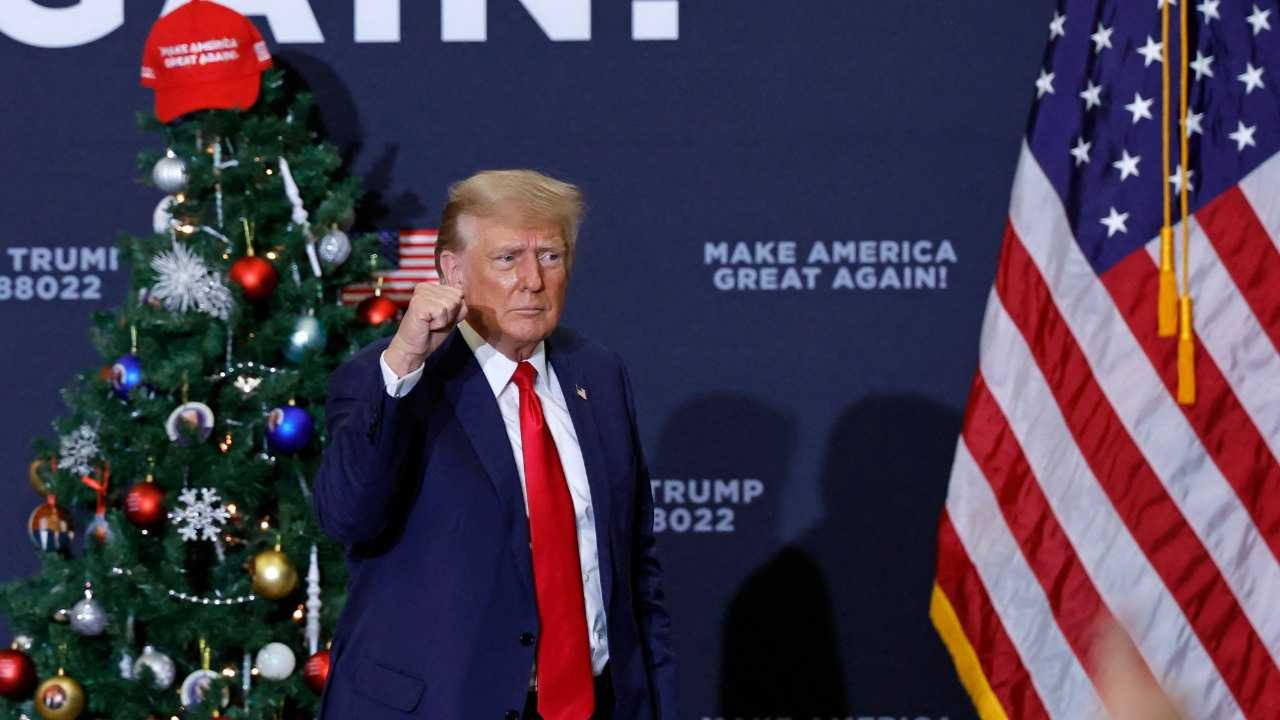
Rural vote helps thrust Trump back to presidency
Donald Trump secured a decisive victory in the recent U.S. presidential election, largely due to his strong performance among rural voters, who felt economically marginalized and abandoned by urban elites. Trump’s campaign, which portrayed rural America as neglected, resonated deeply with these communities. In key swing regions like Pennsylvania’s Erie County—historically shifting between Democratic and Republican support—Trump’s focus on economic issues like inflation and gas prices bolstered his appeal. According to Tom Eddy, Erie County’s Republican Party chair, Trump’s support stemmed largely from economic grievances, with high voter turnout reflecting these concerns.
Nationally, CNN exit polls showed Trump winning 63% of the rural vote, a resurgence from his 2020 loss. This economic focus appears to have struck a chord with rural residents facing intensified financial challenges. Trump’s rural supporters, such as Dylan Robuck from Erie, expressed optimism about his promises to address taxes and economic policies. Observers noted that Trump’s campaign strategy was more polished than previous runs, concentrating his efforts on rural regions within swing states.
Trump’s success extended beyond rural communities to Latino men and first-time voters, illustrating his broadening appeal across certain demographics. Despite pre-election polls predicting a tight race, Trump was on track to win both the popular vote and the electoral college, potentially sweeping all seven swing states.
Meanwhile, Harris’s campaign struggled to gain traction in rural areas despite targeted efforts. She aimed to reach 500,000 likely rural voters through local radio ads and pledged to expand rural healthcare. Her campaign also selected rural-oriented running mate, Minnesota Governor Tim Walz, hoping to appeal to these voters. However, the Democratic strategy fell short, as Trump’s appeal in rural areas held firm.
Democratic rural caucus chair Gillian Kratzer noted that Harris’s poor rural showing underscored the need for Democrats to strengthen their presence beyond cities. While Kratzer attributed part of Trump’s support to issues like racism and misogyny, she emphasized the importance of long-term investment in rural outreach for Democrats. Without this, Democrats risk conceding rural America, where economic challenges often drive voter sentiment.