Billionaire Trump nominee confirmed to lead NASA amid Moon race
The US Senate on Wednesday confirmed President Donald Trump’s re-nomination of billionaire Jared Isaacman to lead NASA, ending months of uncertainty over the space agency’s direction. The 42-year-old entrepreneur, who made his fortune in online payment processing, is widely known for his personal passion for space exploration. He will assume the role of NASA administrator at a critical time, as the agency faces budget pressures while planning ambitious missions to the Moon and, eventually, Mars.
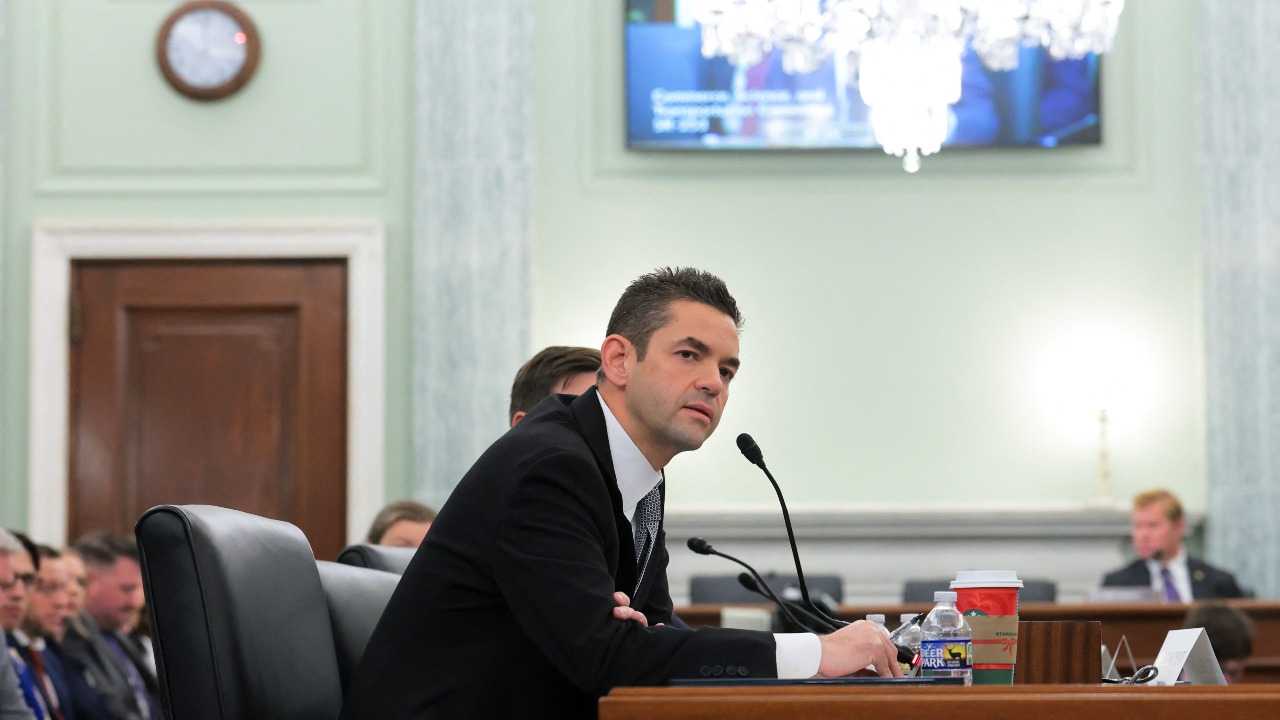
The Trump administration has prioritized sending a manned US mission to the Moon as soon as possible, aiming to outpace China’s own lunar ambitions. At his second confirmation hearing in December, Isaacman pledged to ensure the success of NASA’s Artemis lunar exploration program, which began in 2017 during Trump’s first administration. “America will return to the Moon before our great rival, and we will establish an enduring presence to understand and realize the scientific, economic and national security value on the lunar surface,” he said.
Despite these ambitions, the Artemis program has encountered repeated delays. Experts have warned that the lunar lander being developed by Elon Musk’s SpaceX may not be ready in time to meet projected schedules. Trump initially nominated Isaacman following his 2024 election victory but withdrew the nomination in April 2025, only to reissue it in November. This back-and-forth mirrored Trump’s complex relationship with Musk, who has expressed skepticism about the feasibility of returning to the Moon.
Isaacman has consistently emphasized that returning to the Moon is now NASA’s top priority, even as discussions about revising the Artemis program resurfaced earlier this year. The entrepreneur brings both experience and credibility to the role: he has flown twice with SpaceX and, in 2024, became the first private astronaut to perform a spacewalk.
His nomination reflects a growing trend of appointing leaders with firsthand experience in private spaceflight to high-level government positions. With Isaacman at the helm, NASA is expected to pursue a renewed sense of urgency in lunar exploration while navigating complex challenges, including technological readiness, budget constraints, and international competition.
As he prepares to lead the agency, Isaacman faces the dual challenge of maintaining Artemis’ momentum and balancing the expectations of policymakers, private industry, and the global scientific community. His tenure could mark a pivotal moment in NASA’s efforts to return humans to the Moon and ultimately establish a sustainable presence on the lunar surface.