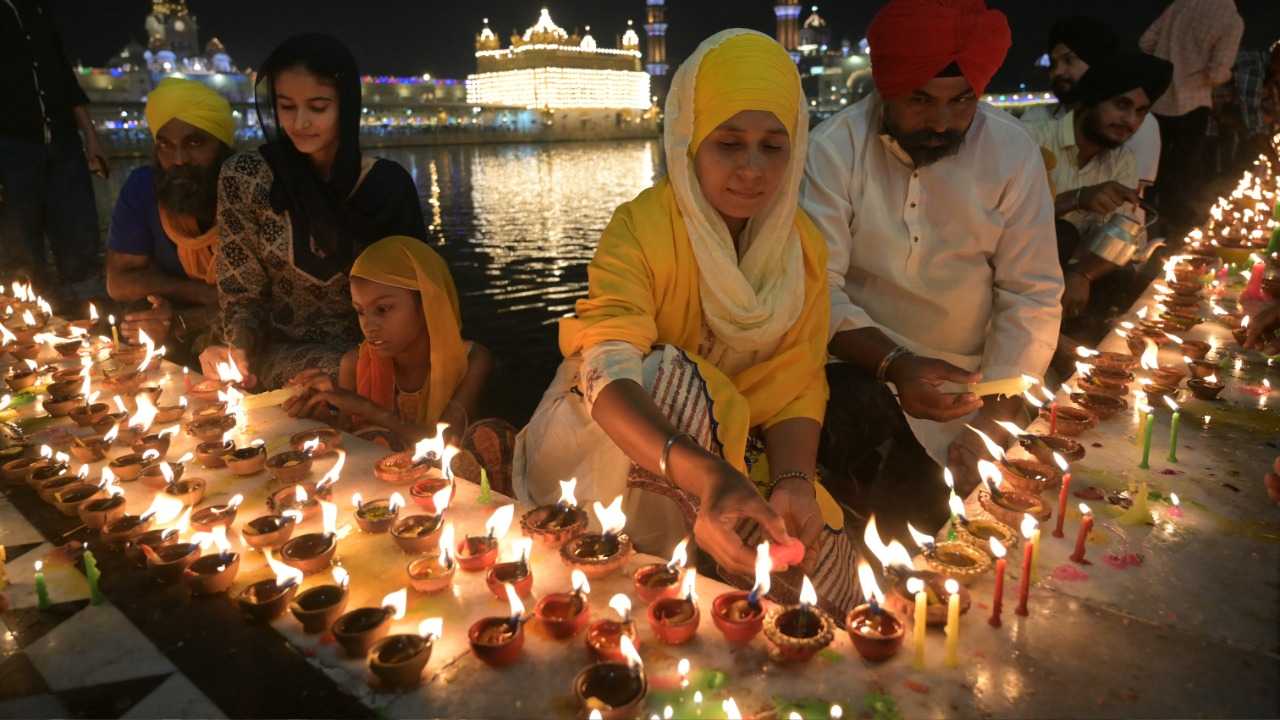
Indian festival of lights Diwali joins UNESCO heritage list
India's festival of lights, Diwali, has been officially added to UNESCO's list of intangible cultural heritage, a move that has sparked nationwide celebrations. The announcement came during a meeting of the United Nations cultural agency held in New Delhi from Tuesday to Thursday, where representatives from 78 countries reviewed dozens of nominations for inclusion on the prestigious list.
UNESCO's intangible cultural heritage list aims to raise awareness of cultural diversity and safeguard traditions for future generations. By recognizing Diwali, the organization highlights not only the festival’s deep historical and cultural significance but also its global appeal.
Indian Prime Minister Narendra Modi welcomed the announcement, emphasizing that Diwali is "very closely linked to our culture and ethos." In a social media statement, he described the festival as "the soul of our civilization," noting that it "personifies illumination and righteousness." Modi added that UNESCO recognition would enhance Diwali’s popularity worldwide.
To mark the occasion, the Delhi government is organizing numerous events across the city. These include special illuminations of buildings, decorative displays along major roads, and a grand lamp-lighting ceremony, bringing the festival's vibrant spirit to life in the capital.
Diwali, also known as Deepavali, is one of Hinduism’s most important festivals and is celebrated not only in India but around the world. Observed by millions, including members of the Sikh and Jain communities, it is traditionally a five-day festival that symbolizes the triumph of good over evil. Festivities occur on the new moon day in October or November and are marked by the lighting of lamps, bursting of firecrackers, and communal gatherings.
In northern India, Diwali commemorates the return of the Hindu deity Lord Rama to Ayodhya after his victory over the demon king Ravana. The festival is also closely associated with the worship of Lakshmi, the goddess of wealth and prosperity, reflecting the hopes for abundance and well-being in the coming year.
India’s Ministry of External Affairs described Diwali’s inclusion on UNESCO’s list as a "joyous moment" for the nation, highlighting the global recognition of its cultural and spiritual importance. The festival’s new status is expected to strengthen its international profile, encouraging more people worldwide to experience the joy, light, and tradition that Diwali represents.