Istanbul's historic baths keep hammam tradition alive
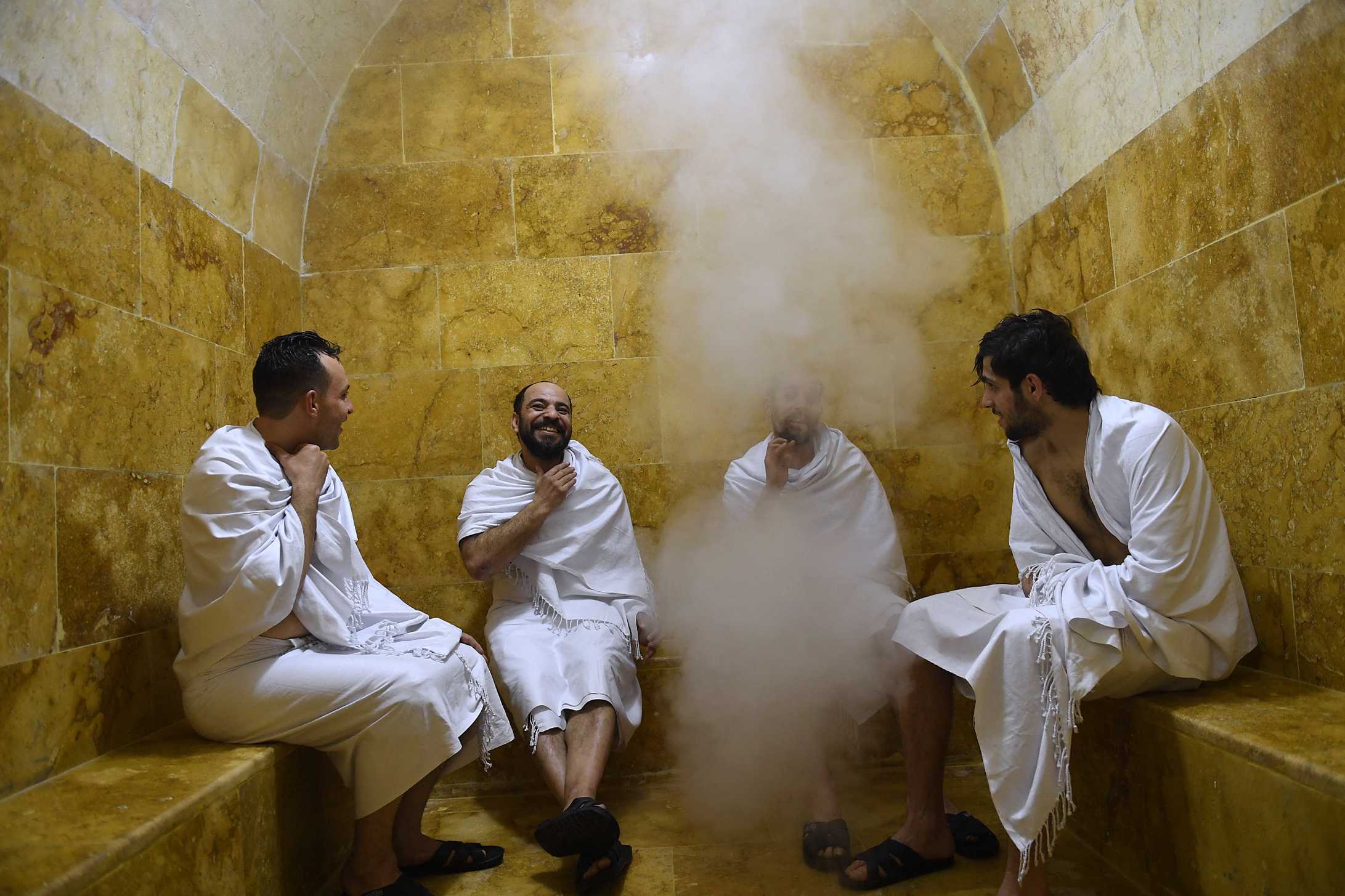
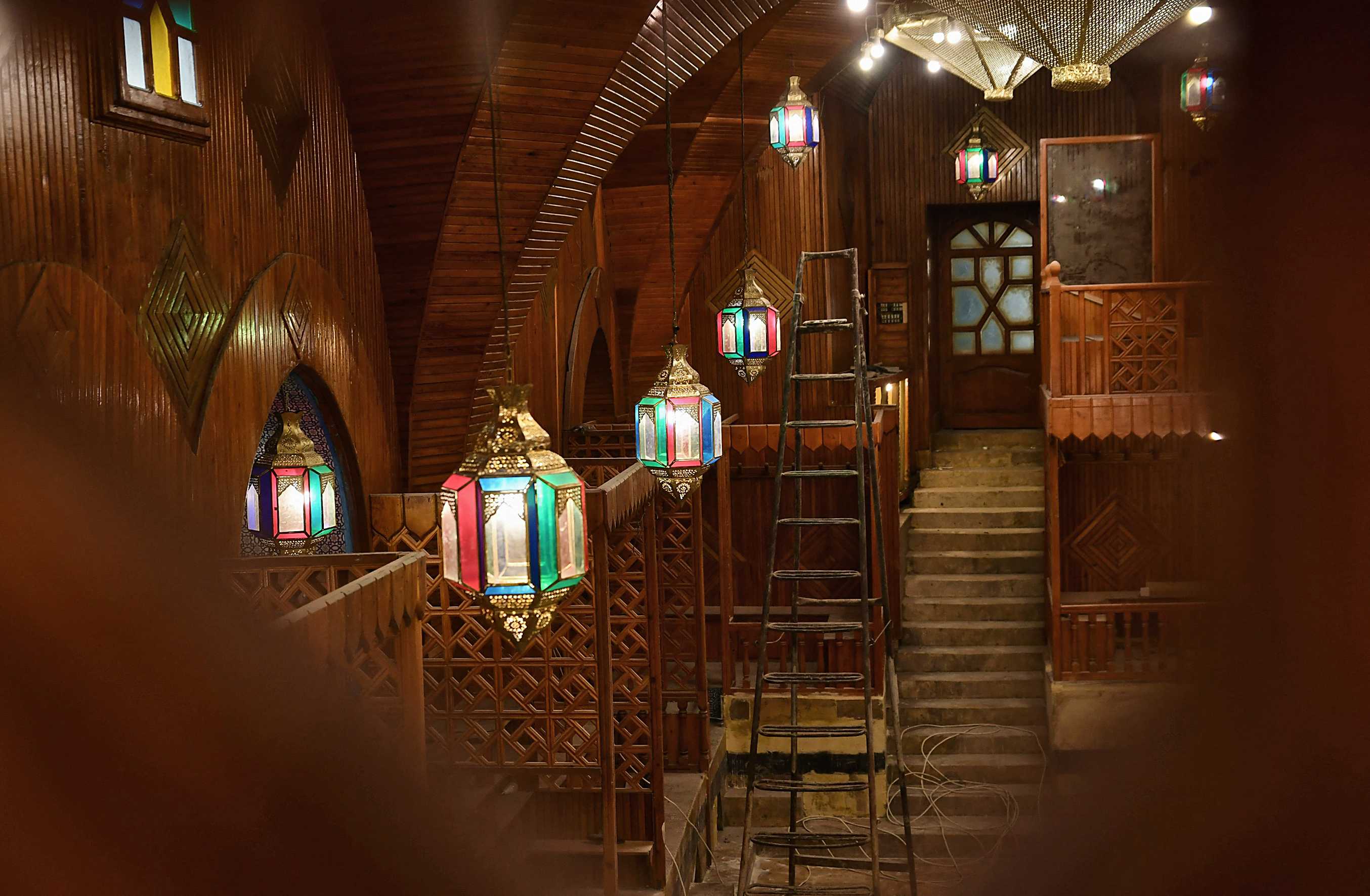
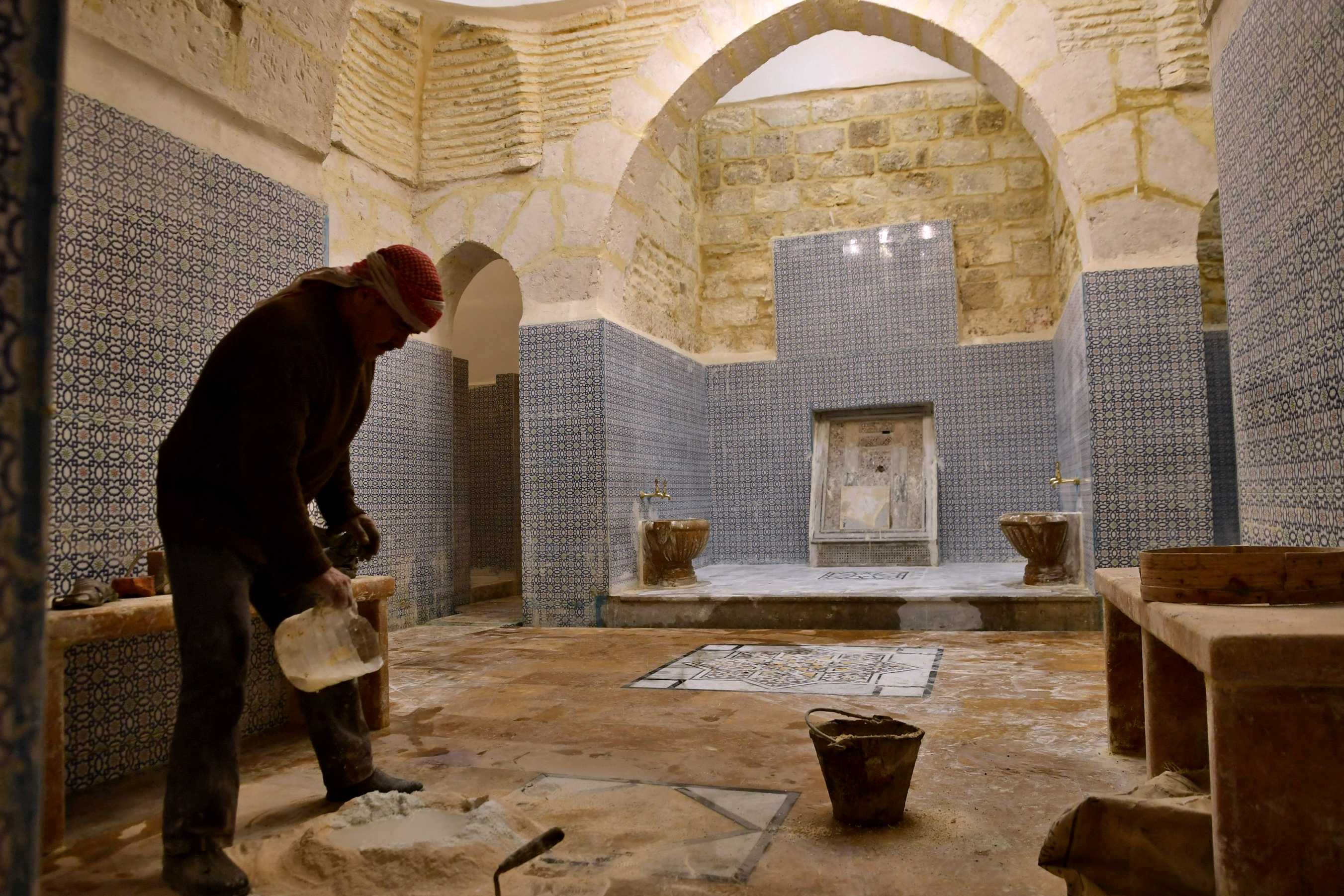
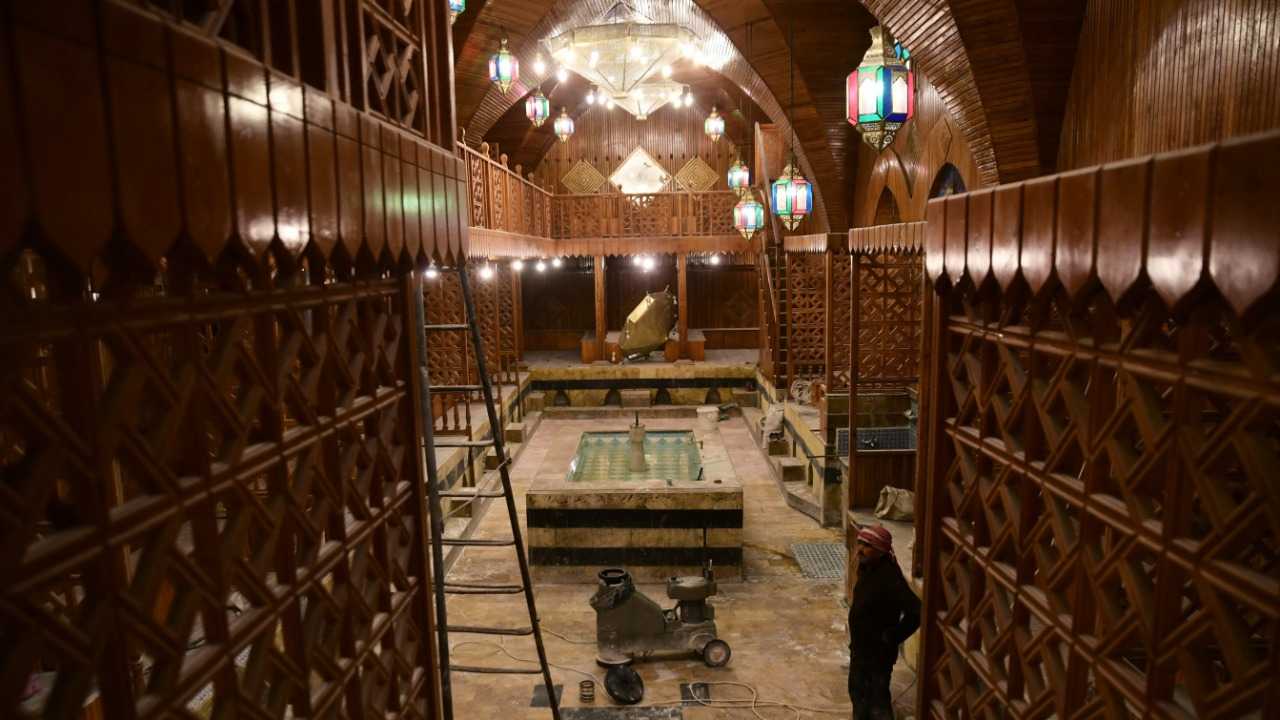
For centuries, hammams played a vital role in Ottoman society, serving as spaces not only for bathing but also for social gatherings, celebrations, and cultural rituals. The tradition of hammam bathing, however, began to decline in Turkey with the advent of running water. In recent years, efforts have been made to restore these historical bathhouses, reviving an ancient bathing ritual that highlights Turkish cultural heritage. A notable example is the Zeyrek Cinili Hammam in Istanbul, originally built by the renowned Ottoman architect Sinan during the reign of Suleiman the Magnificent. After a meticulous 13-year restoration process, this 500-year-old hammam reopened to the public, preserving its architectural beauty and history. It now includes a museum that educates visitors on the hammam’s cultural significance, with insights from Beril Gur Tanyeli, the museum’s manager, who shared that thousands of tile pieces were rediscovered, helping to explain why the bathhouse is called "Cinili," or "covered with tiles."
The hammam culture draws from a rich tradition stretching back to ancient Rome, where baths were social and ritual spaces. During the Ottoman Empire, bathing signified not only physical cleanliness but also spiritual purity, aligning with Islamic practices like ablution before prayer. Hammams also served as venues for celebrating milestones such as births and weddings, and social events for brides, soldiers, and those celebrating circumcision. Census records from 1638 show Istanbul had over 14,500 baths, underscoring their essential role in daily life before private homes had running water.
Today, Istanbul’s hammams are cherished relics, representing Turkish history and heritage. Although hammams have become a luxury experience, often attracting tourists, efforts to restore and maintain them aim to preserve their cultural legacy. The Beyazid II Hammam and Cemberlitas Hammam are other significant historical sites that have undergone restoration. Manolya Gokgoz, who works with Cemberlitas Hammam, recalls her personal connection, as her grandmother served there as an attendant. While most visitors are now foreign tourists, Gokgoz stresses that hammams fulfill a deeper cultural need beyond just luxury.
Reviving Istanbul’s hammams, with their therapeutic baths and social spaces, is a meaningful way to pass Turkish heritage to future generations, underscoring the importance of preserving cultural traditions even as modern conveniences replace them.