The Smart Toilet Revolution: How Bathroom Tech is Turning Waste Into Health Data
A new generation of smart toilets is transforming the bathroom into a personal health lab, analyzing data once flushed away to offer insights into our well-being.
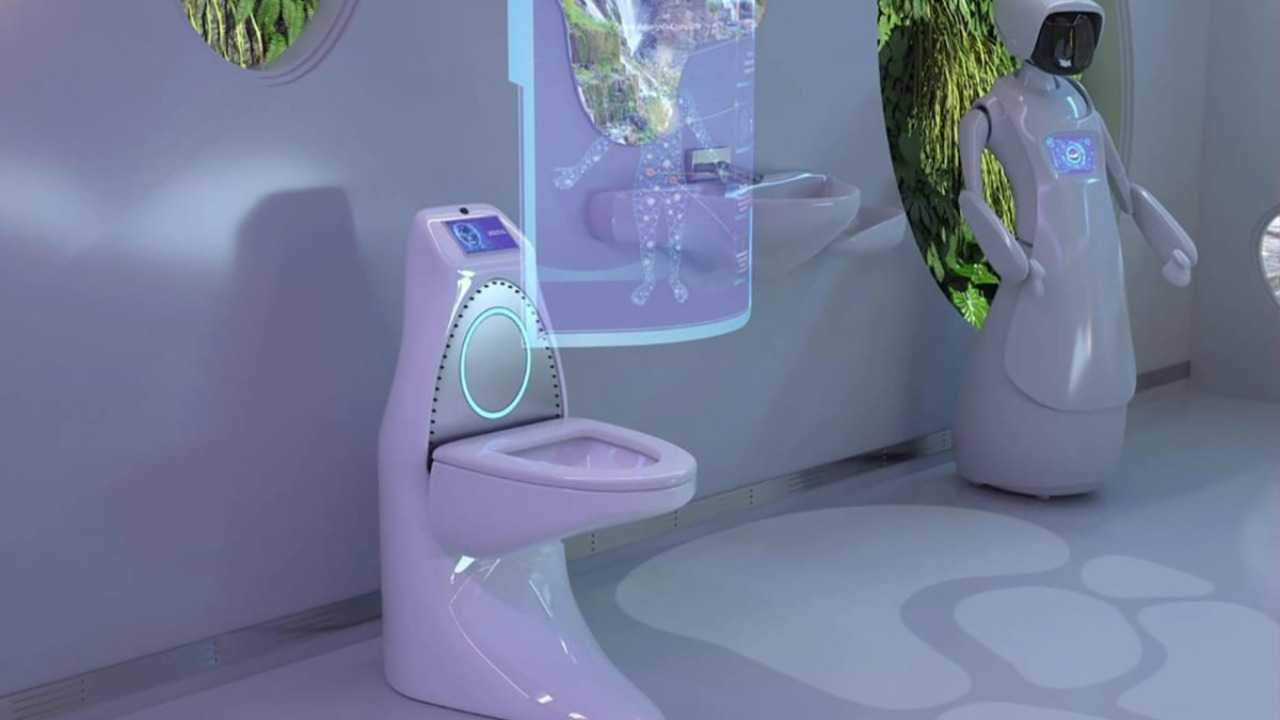
Kohler Health’s Dekoda, priced at $599, began shipping in the U.S. on October 21 and represents the latest leap in health-monitoring technology. Unlike smartwatches or fitness trackers, Dekoda focuses on what wearables can’t access—urine and stool analysis. The toilet-mounted camera and sensors study hydration levels, urine color, and stool consistency, sending results securely to Kohler’s cloud servers. Users can view daily insights through a connected app that requires a $7 monthly subscription.
An example of the app’s advice: “Focus on hydration. Pour yourself a glass of water.”
Dekoda is the first smart toilet widely available in the U.S., but competition is already brewing. Withings’ U-Scan, coming soon, will analyze vitamin levels in urine, while Toto’s latest toilet, launched in August, includes a built-in stool scanner, according to The Wall Street Journal.
Despite the growing market, experts remain divided. Some applaud the innovation’s potential for early health monitoring, while others question its necessity, noting that these devices currently offer only basic data interpretations.
The rise of health-monitoring fixtures reflects a broader shift toward personalized diagnostics, with homes increasingly equipped with AI-driven devices, wearable sensors, and even chatbots to track or interpret health data.
Beyond the bathroom, the “Future of Everything” newsletter also spotlights parallel tech frontiers:
Eli Lilly has partnered with Nvidia to build an AI supercomputer aimed at accelerating drug discovery and molecule identification.
JPMorgan Chase has tokenized a private-equity fund using its blockchain platform, Kinexys Fund Flow, signaling a future where financial operations could move entirely on-chain.
Across U.S. cities, robots are being deployed for firefighting, lawn care, and beach cleaning, as automation continues to reshape daily work.
As technology becomes more intimate—reaching even into our bathrooms—it prompts both curiosity and caution. Smart toilets like Dekoda may soon turn every flush into a data point, blurring the line between comfort, convenience, and clinical insight.