Choreographer Felix Burgos sues Epic Games over Fortnite dance emote
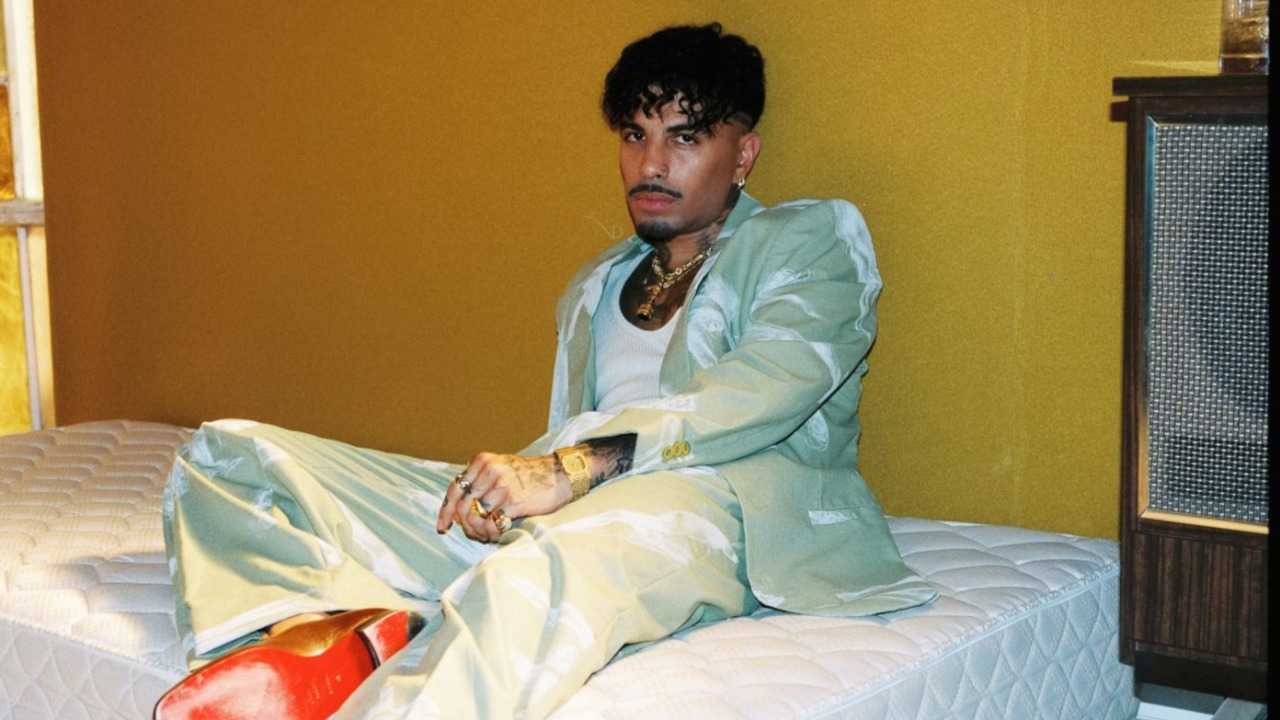
Choreographer Felix Burgos is taking legal action against Epic Games over the unauthorized use of his choreography in the Fortnite emote for Rauw Alejandro’s track “Touching The Sky.” The emote, which was released as part of the Icon Series and available for 500 V-bucks, was allegedly created without Burgos's permission.
Burgos registered his choreography shortly after the music video launch, asserting that Epic's infringement is "undeniable." His lawsuit claims that Epic did not seek his authorization or compensate him for using his work. The legal documents state, “Epic made a fortune from unlawfully and unfairly misappropriating Burgos’s and other artists’ creative expression and likeness without crediting or compensating these artists.” Burgos aims to prevent Fortnite from further using his choreography and to recover profits he believes are owed to him.
This case isn't isolated; Epic Games has faced multiple allegations of appropriating dance moves for their in-game emotes without permission. Notable examples include rapper 2 Milly, who sued over his Milly Rock dance, and Alfonso Ribeiro from The Fresh Prince of Bel-Air, who took legal action for the use of his signature dance. Last year, choreographer Kyle Hanagami also filed a lawsuit against Epic for a dance he created for Charlie Puth.
Burgos’s lawyer highlighted that while Epic has started to approach some artists for licensing their choreography, they tend to target younger or less established creators. This practice often results in minimal compensation, leaving seasoned professionals like Burgos overlooked. “Burgos, a sophisticated businessman and established choreographer, was never approached by Epic about a license,” the lawyer stated.
Earlier this year, Kelley Heyer, a TikTok creator known for her viral dance trend for Charli XCX’s song “Apple,” also took legal action against Roblox for using her choreography without permission.
The outcome of Burgos's lawsuit could significantly impact how Fortnite and similar platforms manage the use of choreographed movements, raising questions about the rights of creators in the digital landscape. As the legal landscape evolves, the protection of artistic expression in gaming remains a crucial issue for many creators.