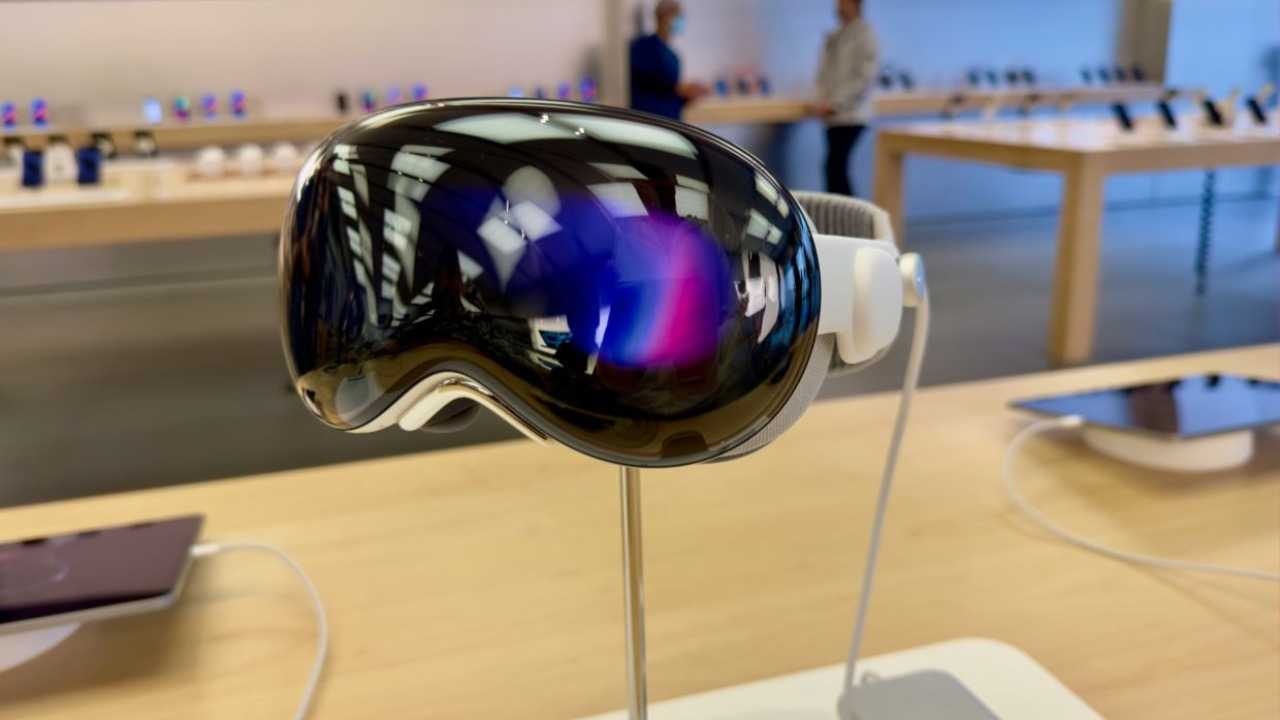
Apple Shifts Focus From Vision Pro Update to Next-Gen AI Glasses
Apple has reportedly sidelined plans to revamp its Vision Pro VR headset in order to focus on developing AI-powered smart glasses, according to Bloomberg reporter Mark Gurman. The move reflects Apple’s ambition to enter the growing smart glasses market, where competitors such as Meta are already well established,according to Techcrunch.
Initially, Apple had been working on a lighter and more affordable version of the Vision Pro headset. However, the company is now reassigning staff from that project to work on smart glasses, signaling a strategic shift in priorities. (TechCrunch)
Reports indicate that Apple is developing at least two models of smart glasses. The first, codenamed N50, is designed to pair with an iPhone and does not include a built-in display. This model is expected to be unveiled as soon as next year, with a potential release scheduled for 2027. (TechCrunch)
The second variant is a more advanced model that includes its own visual display. This version would compete directly with Meta’s Ray-Ban Display smart glasses, which were introduced last month. Apple had originally planned to release this model in 2028, but development is reportedly being accelerated to catch up with competitors. (TechCrunch)
Despite the pivot, Apple remains behind Meta, which launched its first smart glasses in 2021. The company’s new focus on AI-enabled wearables reflects the growing importance of integrating artificial intelligence into everyday consumer devices. By leveraging AI, Apple aims to create smart glasses that can enhance daily smartphone interactions, providing users with information, notifications, and contextual assistance seamlessly.
In conclusion, Apple’s decision to shelve the Vision Pro overhaul demonstrates a strategic move toward AI-centric wearables. With plans to release both display-less and fully featured smart glasses, the company is positioning itself to catch up with early market leaders. If successful, these devices could represent a major step in Apple’s long-term strategy to merge AI functionality with wearable technology, potentially reshaping how users interact with iPhones and other Apple products.