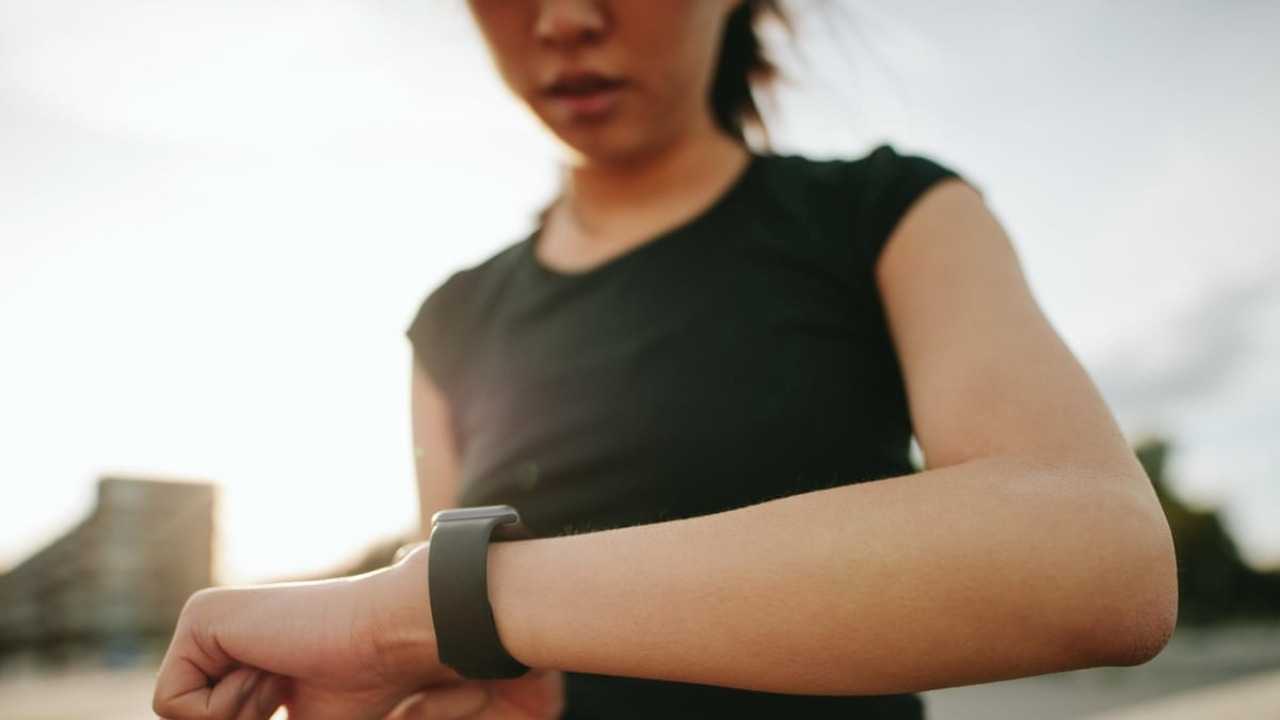
Researchers Find Smartwatches Provide Limited Insight Into Stress Levels
A recent study published in the Journal of Psychopathology and Clinical Science has cast doubt on the reliability of stress measurements from smartwatches. Conducted by Eiko Fried and colleagues at Leiden University, researchers tracked around 800 young adults wearing Garmin Vivosmart 4 devices for three months,according to The Guardian. Participants self-reported their levels of stress, fatigue, and sleep up to four times per day and these reports were compared with smartwatch metrics .
The findings were striking: there was almost no correlation between smartwatch-reported stress and self-reported stress, described by the researchers as “basically zero.” In fact, in about 25% of cases, the smartwatch readings directly contradicted participants' own feelings . The devices often misinterpreted excitement—such as during intense physical activity or joyful conversations—as stress .
Fatigue, measured by Garmin’s “body battery” score, showed only a weak association with self-reported tiredness. Sleep data fared somewhat better: for about two-thirds of participants, longer smartwatch-recorded sleep aligned with improved self-reported sleep. For instance, a self-reported improvement in sleep was matched by approximately two additional hours of recorded sleep, although this mostly reflected sleep duration, not quality .
Fried emphasized that these are consumer tools, not medical-grade instruments. He cautioned: “Be careful and don’t live by your smartwatch,” noting that heart rate alone—used by devices to estimate stress—can increase due to various emotional or physical conditions unrelated to stress, such as arousal or excitement .
The research highlights the inherent challenge of interpreting biometric data without context. While physiological signals like heart rate variability (HRV) offer some insight, they cannot distinguish among different emotional states. Margarita Panayiotou of the University of Manchester remarked that wearable data must be contextualized alongside a user’s own experiences to yield meaningful insights .
In summary, while smartwatches may offer useful information on sleep patterns, their capacity to reliably track stress and fatigue remains limited. Users should treat smartwatch readings as approximate indicators and interpret them alongside personal awareness and broader context.