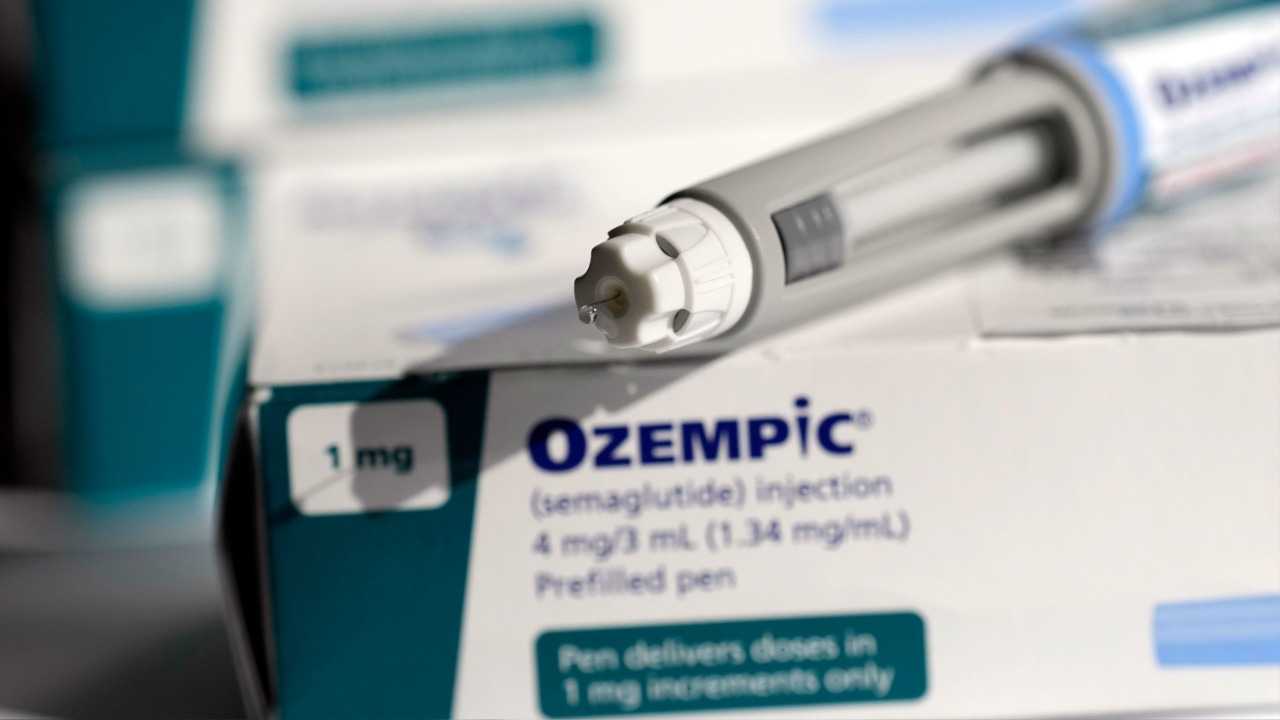
Ozempic Changes How People Experience Alcohol, and Scientists Have Uncovered the Reason
GLP-1 drugs, like Ozempic and Wegovy, are known for promoting weight loss and regulating blood sugar. But recent research suggests they might also alter how people experience alcohol, making it less intoxicating and potentially less addictive,according to Zme Science.
A new study published in Scientific Reports by Virginia Tech’s Fralin Biomedical Research Institute explored this effect. Researchers tested twenty adults diagnosed with obesity—half were taking GLP-1 receptor agonists (semaglutide, tirzepatide, or liraglutide) while the other half were not. Participants consumed vodka mixed with juice to approach a blood alcohol concentration (BAC) of 0.08%, the legal driving limit in many U.S. states.
The results were striking. Those on GLP-1 drugs had slower increases in BAC during the first 20 minutes after drinking and reported feeling less drunk on a 0–10 scale. Their “drunkenness” and alcohol curves were noticeably flatter than those of participants not on the drugs. Importantly, this effect was not linked to nausea or other side effects of GLP-1 medications.
The explanation lies in the drugs’ effect on the digestive system. GLP-1 medications slow stomach emptying, delaying the transfer of alcohol to the small intestine where absorption occurs. This slower process reduces both the intensity and speed of the alcohol’s effects.
These findings align with anecdotal reports from users online who say Ozempic decreases their interest in drinking. Previous studies from the same lab also noted reduced cravings, less enjoyment, and even aversion to alcohol among GLP-1 users. Unlike traditional anti-alcohol medications, which act on brain receptors to reduce pleasure, GLP-1 drugs work peripherally—affecting how fast alcohol reaches the brain.
This ties into the “rate hypothesis” in addiction research: drugs that hit the brain more slowly tend to be less addictive. By flattening the alcohol experience, GLP-1 drugs could reduce the risk of compulsive drinking.
The potential impact is significant. In the U.S., around 10% of adults struggle with alcohol use disorder, contributing to approximately 178,000 deaths annually. If GLP-1 medications can safely reduce alcohol consumption, they may offer a new tool for addiction treatment.
Researchers caution, however, that this is a preliminary study with only twenty participants. Larger randomized trials are underway to test GLP-1 therapies for substance use disorders, including alcohol and opioids. If these results are confirmed, medications like Ozempic could eventually be considered alongside traditional addiction treatments.
As Fatima Quddos, the study’s lead author, noted, the prospect of giving people struggling with addiction an additional pathway for help is what makes this research particularly meaningful.