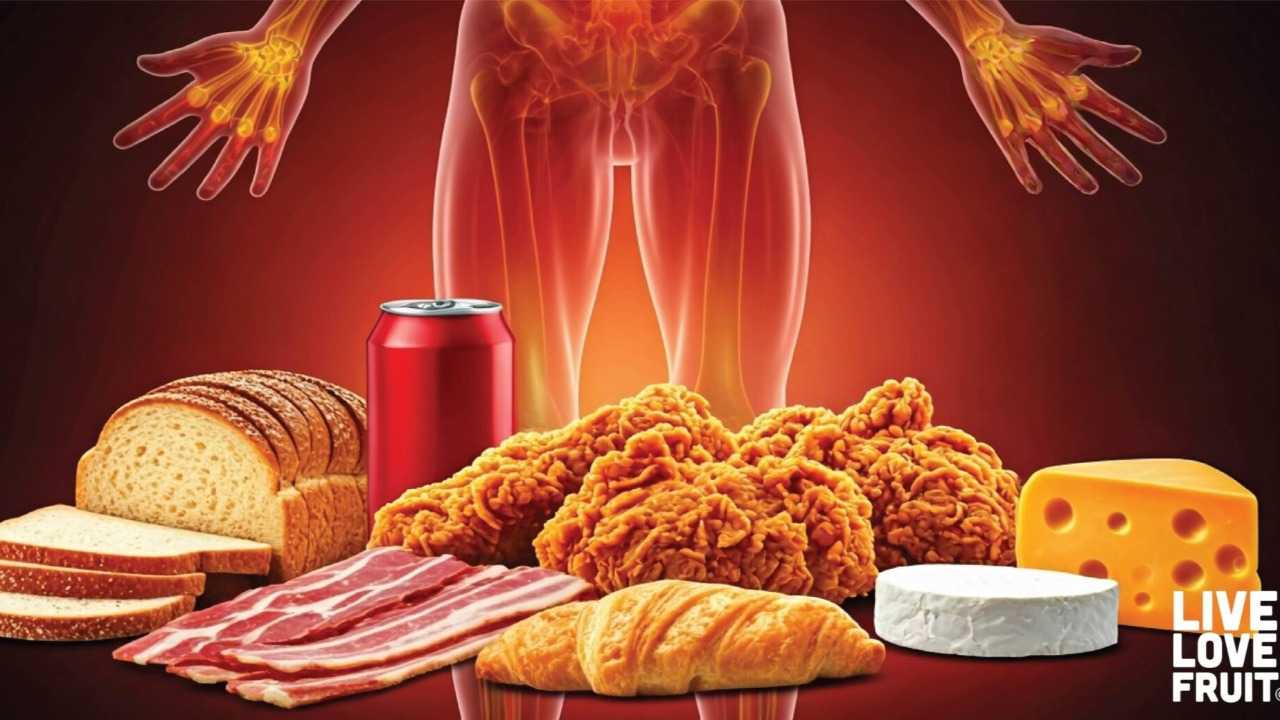
Experts have identified this food as the leading cause of inflammation
Chronic inflammation has emerged as a critical factor in many of today’s most common health conditions, including diabetes, cardiovascular disease, arthritis, and autoimmune disorders, according to the National Library of Medicine. While the body naturally triggers inflammation as a protective response to injury or infection, prolonged or chronic inflammation can damage healthy cells, tissues, and organs, raising the risk of serious diseases such as heart disease, certain cancers, and metabolic disorders,according to Prevention. Experts increasingly point to diet as a major contributor to chronic inflammation, highlighting specific foods that can exacerbate the condition.
Leading nutrition and medical specialists identify ultra-processed foods—such as packaged snacks, candy, fast food items, and processed meats—as the most inflammation-inducing in modern diets. Lauren Harris-Pincus, M.S., R.D.N., author of The Protein-Packed Breakfast Club and The Everything Easy Pre-Diabetes Cookbook, explains that acute inflammation is beneficial and short-lived, aiding in healing and immune response. In contrast, chronic inflammation persists and can harm the body over time. Harris-Pincus emphasizes that while some processed foods may be nutrient-rich, those containing artificial additives, preservatives, and other chemical enhancements can significantly contribute to inflammatory processes.
Medical nutritionist Dr. Amy Lee also underscores that ultra-processed foods often contain artificial ingredients designed to enhance flavor, texture, and shelf life. These substances may disrupt the body’s immune and metabolic systems, elevating markers of inflammation. Research published in The American Journal of Medicine supports this perspective, linking higher consumption of ultra-processed foods with increased levels of C-reactive protein, a key indicator of systemic inflammation and a predictor of cardiovascular risk. Additional studies suggest that diets rich in such foods may contribute to immune dysregulation and conditions such as inflammatory bowel disease and other autoimmune disorders.
Experts recommend prioritizing fresh, whole foods to minimize chronic inflammation. While some processed items, like protein powders or canned beans, can provide nutritional benefits, foods offering minimal nutrient value—particularly those laden with additives and preservatives—should be limited or avoided. Adopting a diet emphasizing natural ingredients, balanced nutrition, and minimal ultra-processed products can help reduce inflammation, supporting overall long-term health.
By focusing on dietary choices and reducing consumption of inflammation-promoting foods, individuals can better manage their risk of chronic disease and support healthier immune and cardiovascular function.