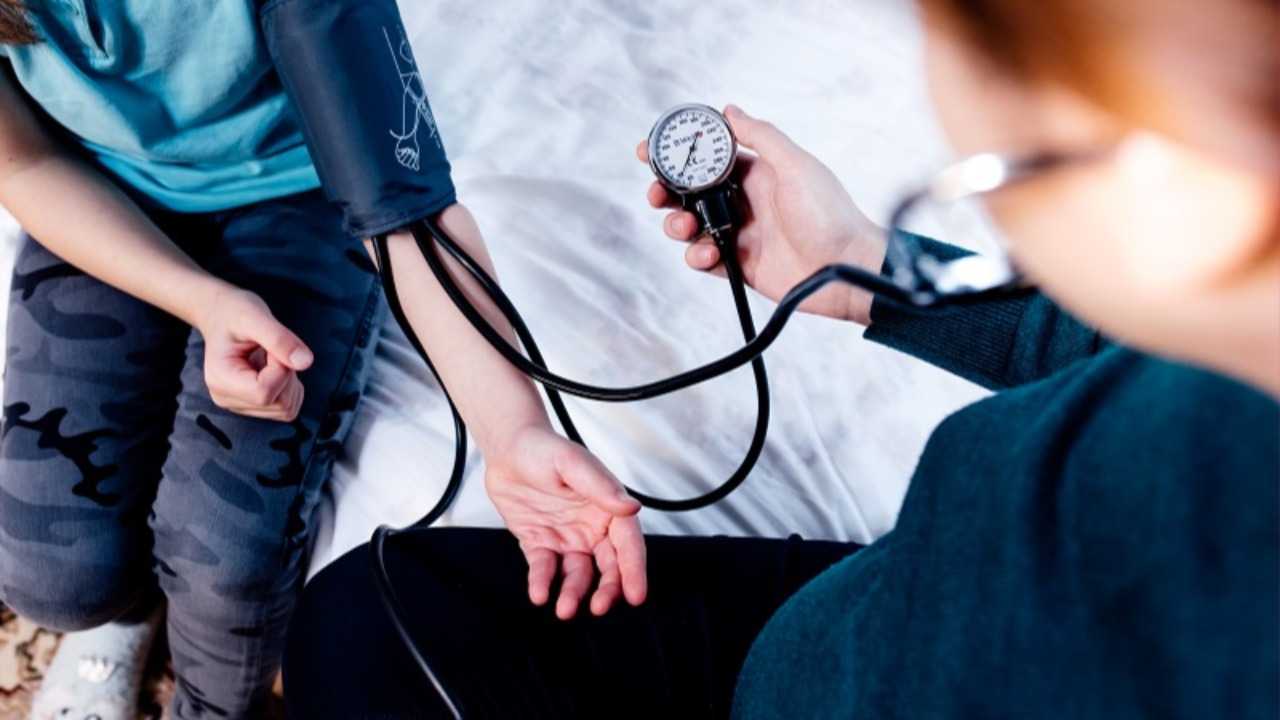
Global review finds childhood high blood pressure rates nearly doubled over 20 years
Rates of high blood pressure in children and teenagers have almost doubled over the past two decades, largely driven by unhealthy diets, lack of physical activity, and rising obesity, according to the largest global review to date.
The meta-analysis, published in The Lancet Child and Adolescent Health, examined data from 96 studies covering over 400,000 children across 21 countries. It found that 6.2% of children under 19 now have hypertension, up from 3.2% in 2000. This represents around 114 million young people worldwide affected by the condition, which can cause lifelong damage to the heart, kidneys, and other organs.
Obesity emerged as a major contributor to the rise in childhood hypertension. Nearly 19% of children with obesity were found to have high blood pressure, compared with less than 3% among healthy-weight children. In addition, 8.2% of children were classified as having prehypertension—higher-than-normal blood pressure that does not yet meet the criteria for full hypertension,according to The Guardian. Prehypertension was particularly common in adolescents, with rates reaching 11.8% among teenagers versus 7% in younger children.
The analysis highlighted that blood pressure tends to rise sharply in early adolescence, peaking around age 14, especially among boys. Experts emphasized the importance of regular screening during these critical years to detect and manage hypertension early.
Prof. Igor Rudan, director of the Centre for Global Health Research at Edinburgh University, called the nearly twofold increase a serious warning for healthcare providers and caregivers. Dr. Peige Song from Zhejiang University School of Medicine noted that lifestyle factors such as poor diet, sedentary behaviour, and obesity are the main drivers of the increase.
Prof. Steve Turner, president of the Royal College of Paediatrics and Child Health, stressed that the trend is alarming but largely preventable. “Children are presenting with hypertension and other obesity-related conditions, including type 2 diabetes, asthma, and mental health problems,” he said.
Experts urged parents to promote healthy habits, including a balanced diet rich in fruits, vegetables, and whole grains, reducing salt and sugar intake, and encouraging regular physical activity. Without urgent intervention, they warn, the rise in childhood hypertension could escalate into a significant public health crisis.