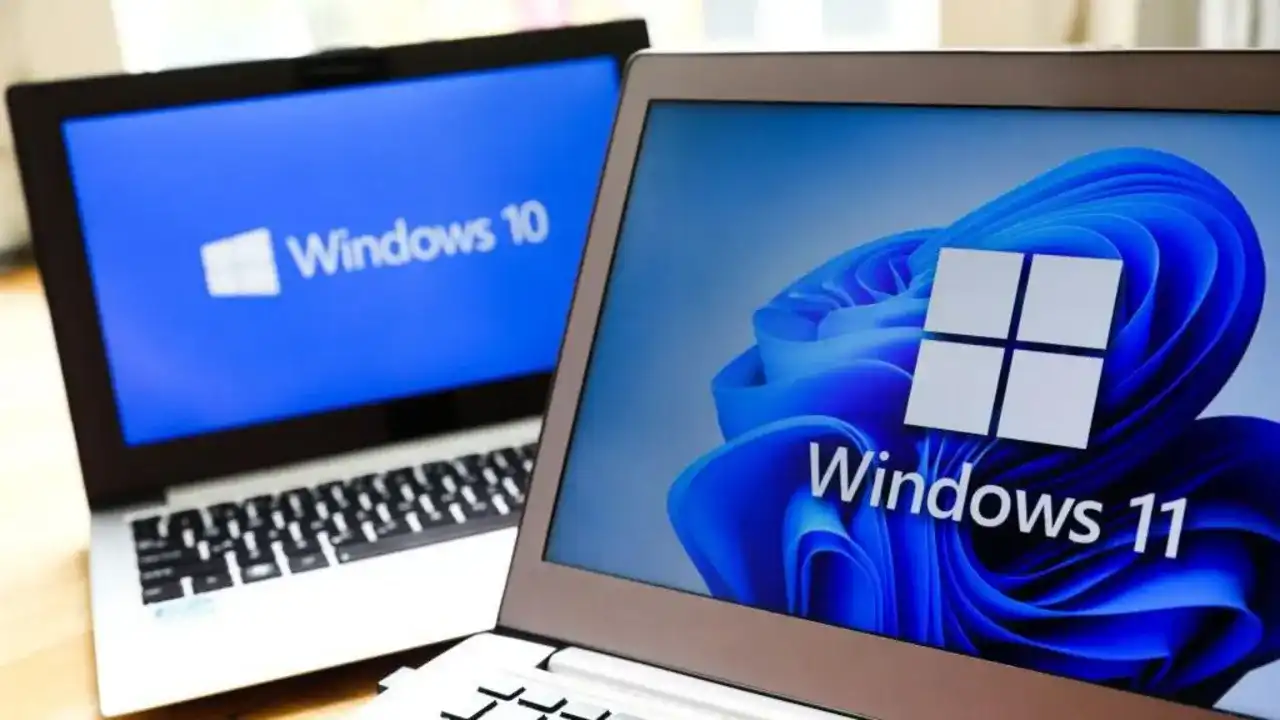
As Windows 10 support ends, Microsoft urges users to upgrade to Windows 11
A significant change is on the horizon for users of Windows 10. Microsoft is officially ending support for this operating system on October 14, 2025, which means that security updates will cease, leaving devices more vulnerable to cyber threats.
Who is Affected?Windows is the most widely used operating system globally, with over 1.4 billion devices utilizing it. As of July 2025, about 43% of these devices were running Windows 10, which translates to approximately 21 million users in the UK alone, according to consumer guide Which?. A survey indicated that about 25% of Windows 10 users plan to continue using it post-support, while 14% intend to purchase new computers.
Consumer advocates criticize this transition, warning it could lead to unnecessary spending and environmental waste. Nathan Proctor, a senior director at the US consumer group PIRG, emphasized the need for longer-lasting technology and the right to repair.
What Do You Need to Do?Microsoft offers two primary options for Windows 10 users:
Upgrade to Windows 11: Eligible devices can upgrade for free. However, not all computers will meet the system requirements for Windows 11.Extended Security Updates (ESU): Users can sign up for security updates for an additional 12 months after support ends. This option is available in the "Privacy and Security" section of your settings.Users in the European Economic Area can access ESU for free by registering.Others may need to pay a $30 (£22) fee or use 1,000 Microsoft Rewards points.For commercial organizations, the cost is $61 per device.What’s Changing?Since its launch in 2015, Windows 10 has received regular updates for features, security patches, and bug fixes. Microsoft strongly recommends users upgrade to Windows 11, but many older devices may not be compatible. Additionally, the new operating system requires a Microsoft account for certain functionalities, which some users prefer to avoid for privacy reasons.
What’s the Risk?The end of support means that critical security updates will no longer be provided for Windows 10, putting devices at heightened risk for viruses and malware. With several high-profile cyberattacks targeting various industries in recent months, this poses a significant concern. Moreover, companies relying on unsupported software may struggle to maintain regulatory compliance.
Users may also experience diminishing functionality in other software, as developers may cease support for older operating systems.
In summary, if you are using Windows 10, it's crucial to consider upgrading to Windows 11 or signing up for Extended Security Updates to ensure your device remains secure.