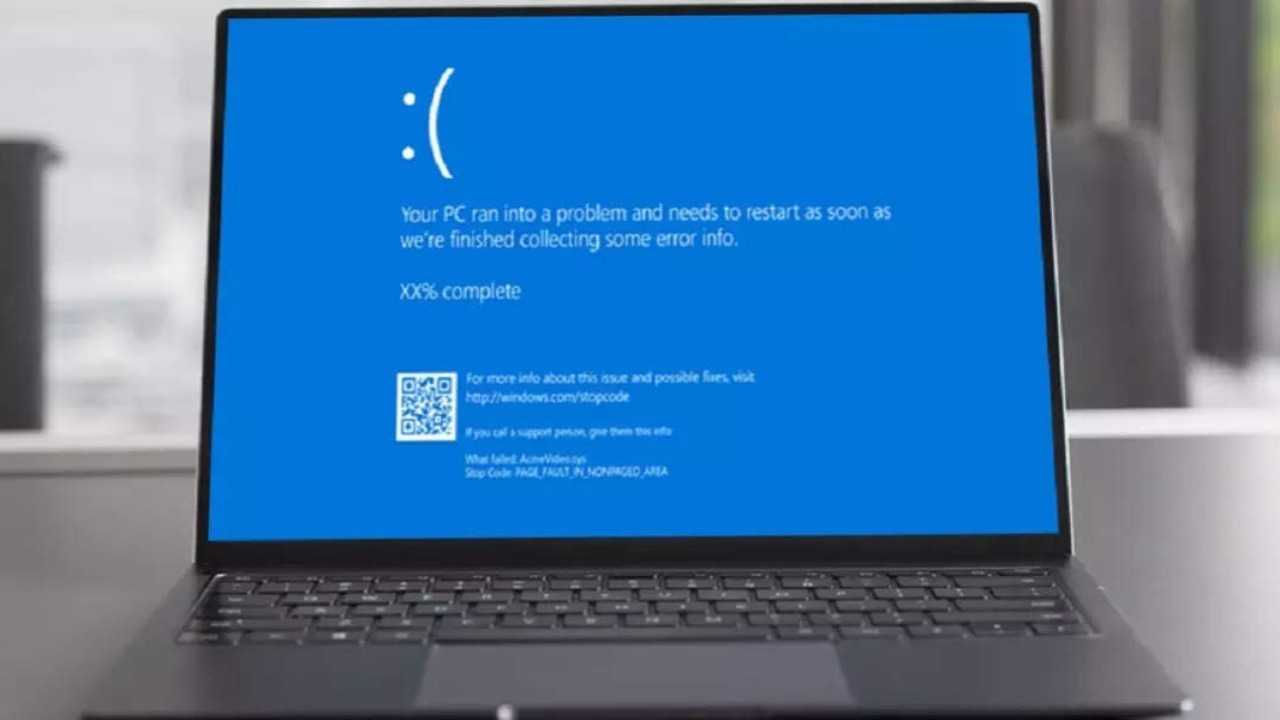
Microsoft Retires Iconic 'Blue Screen of Death' After Four Decades
After nearly 40 years of signaling PC crashes, Microsoft is officially saying goodbye to its legendary "blue screen of death" (BSOD). The blue error screen, known to millions of Windows users since 1985, will be replaced by a new black version as part of upcoming updates to Windows 11, version 24H2.
According to CNET, the original blue screen became synonymous with system failure, often displaying cryptic error codes and, more recently, a simple frowning emoticon. Though frustrating, it was a crucial alert when critical system errors occurred.
Microsoft’s replacement isn’t merely cosmetic. The new black screen of death is part of the company's broader Windows Resiliency Initiative, introduced to improve system reliability and recovery. With the updated design, users and IT administrators will see simplified error information, including stop codes and faulty driver details, making it easier to pinpoint and resolve issues without relying heavily on complex debugging tools.
This change follows major disruptions like the 2024 CrowdStrike incident, which caused widespread system outages for businesses, airports, and government services, impacting over 8 million devices globally. Microsoft says the revamped error screen is designed to support quicker recovery, aiming to reduce restart times to just two seconds after an unexpected crash.
Over time, the blue screen became more than just a technical alert—it entered pop culture, spawning internet memes, merchandise, and even fan communities dedicated to its infamous appearance. But as Microsoft modernizes its operating system, this relic of early Windows days is finally being retired.
Meanwhile, Apple is reshaping its presence inside cars with its new CarPlay Ultra system, recently featured in the Aston Martin DBX. Unlike typical third-party interfaces, CarPlay Ultra deeply integrates with the vehicle’s core systems, from digital driver displays to climate controls, all wrapped in Apple’s signature design.
Users can switch seamlessly between Aston Martin’s native settings and Apple’s interface, maintaining the vehicle’s brand identity while enjoying Apple’s familiar ecosystem. Real-time widgets for maps, music, vehicle diagnostics, and calendar events offer a fully customizable and intuitive driving experience.
Both Microsoft and Apple are redefining how users interact with technology—whether it's recovering from a PC crash or cruising in a high-end car.