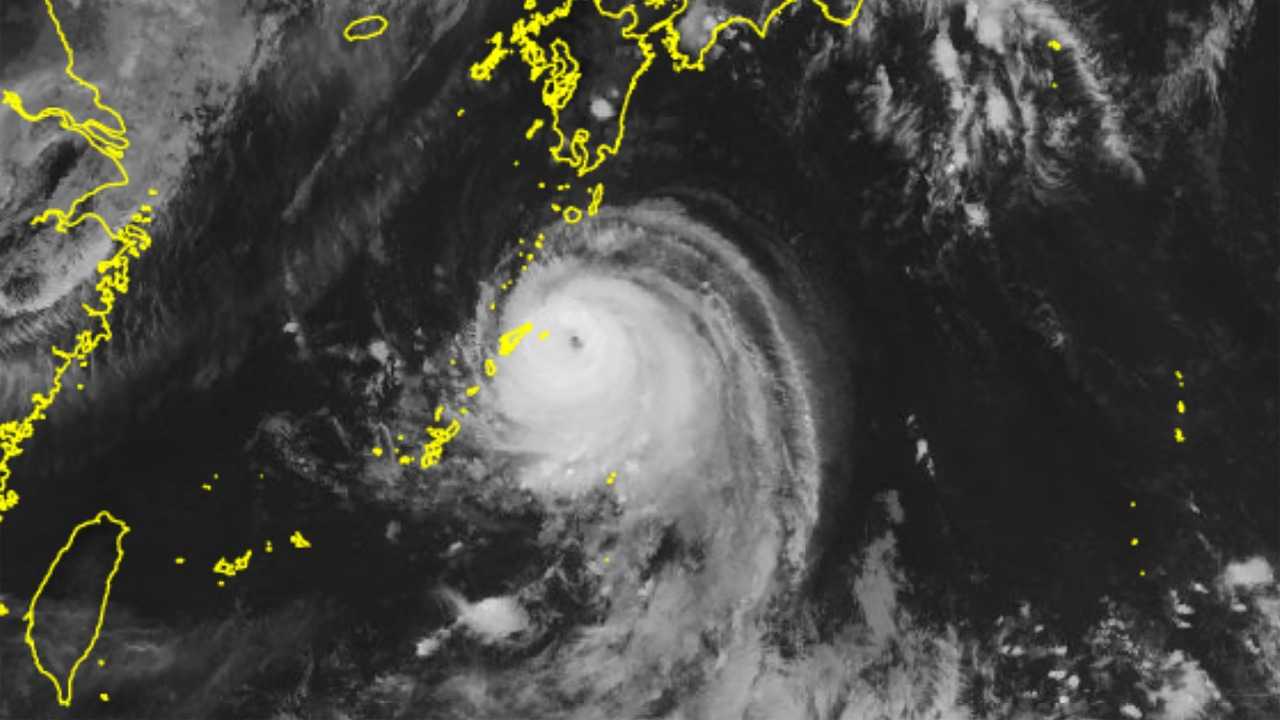
Typhoon disrupts travel, brings heavy rain in Japan
Typhoon Shanshan, a powerful storm packing gusts of up to 216 kilometers per hour (135 miles per hour), is heading toward southern Japan, causing significant disruptions to transportation and raising alarms for potential severe weather conditions. As the typhoon moves toward the Amami archipelago, it has already begun to affect daily life across the region.
The Japan Meteorological Agency has issued warnings, urging residents in affected areas to "evacuate from dangerous places" due to the risk of heavy rain, landslides, and high waves, particularly in the central Shizuoka area and the southern Amami region. The agency emphasized the urgency of these precautions as Typhoon Shanshan is expected to veer towards the main southern island of Kyushu later in the week.
The impact of the typhoon is already being felt across Japan's transportation network. Central Japan Railway and West Japan Railway operators suspended the bullet train service between Hamamatsu and Toyohashi due to the heavy rain, though services resumed later in the morning. However, delays continue to affect other parts of the high-speed network and local trains.
In addition to rail disruptions, Japan Airlines has announced the cancellation of 116 domestic flights on Tuesday and Wednesday, along with six international flights, as the typhoon's effects spread across the region. These cancellations are expected to disrupt travel plans for thousands of passengers.
Typhoon Shanshan comes on the heels of Typhoon Ampil, which earlier this month caused widespread disruptions but only minor injuries and damage as it skirted Japan's Pacific coast, including the Tokyo region. Ampil was followed closely by Tropical Storm Maria, which brought record rainfall to northern parts of Japan, highlighting the increased frequency and intensity of storms impacting the country.
Climate change is contributing to the growing severity of typhoons in the region, with storms forming closer to coastlines, intensifying more rapidly, and lasting longer over land, according to a recent study. As Japan braces for the full impact of Typhoon Shanshan, these evolving weather patterns underscore the need for continued vigilance and preparedness in the face of increasingly unpredictable natural disasters.