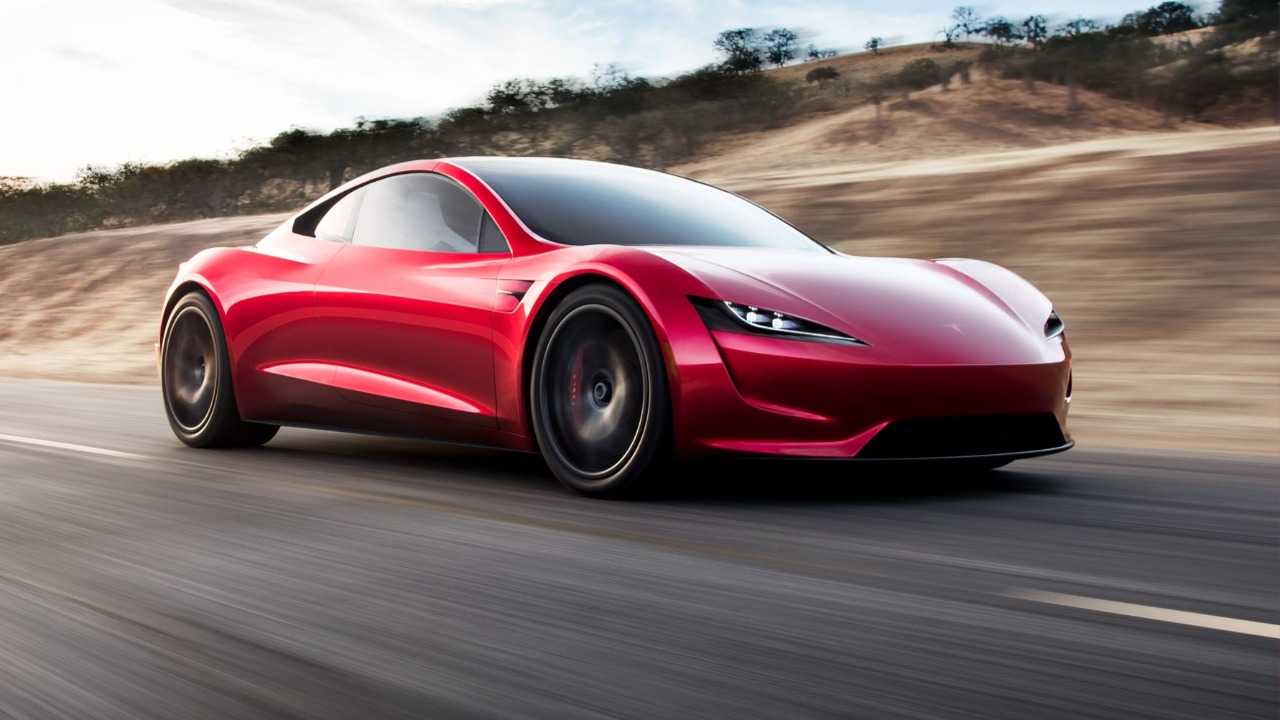
Tesla struggles through a difficult year in the EU
Tesla is experiencing one of its toughest years in the European Union, with car sales across the bloc falling by nearly 40 percent, according to new data released by the European Automobile Manufacturers’ Association (ACEA). The sharp decline stands in stark contrast to the overall performance of the electric vehicle (EV) market in Europe, which continues to grow steadily.
ACEA figures show that sales of electric cars in the EU increased by 28 percent during the first 11 months of the year compared to the same period in 2024. Despite this surge in demand, Tesla has failed to capitalize on the momentum, signaling deeper challenges for the US-based automaker in the region.
Between January and the end of November, Tesla sold 129,024 vehicles in the EU, a significant drop from the 210,869 units sold during the same timeframe last year. The downturn continued in November alone, when Tesla’s EU sales fell by 34 percent, highlighting the persistence of the slump rather than a temporary slowdown.
Meanwhile, competition in the European EV market has intensified, particularly from Chinese manufacturers. BYD, one of China’s leading electric carmakers, recorded the strongest growth among competitors, with sales jumping by an extraordinary 240 percent this year. The company sold 110,715 vehicles in the EU so far in 2025, compared to just 32,562 units during the same period last year, putting it close to overtaking Tesla’s market position.
Electric vehicles now make up 17 percent of the total EU car market. However, ACEA noted that European consumers are showing an even stronger preference for hybrid-electric vehicles, which currently account for 35 percent of car sales. This shift may be working against Tesla, whose lineup is focused entirely on fully electric models.
Beyond market dynamics, Tesla has also faced reputational challenges in Europe. The company’s association with its CEO Elon Musk has drawn criticism, particularly following his political positions. Musk previously supported US President Donald Trump before later distancing himself, and more recently endorsed Germany’s far-right Alternative for Germany (AfD) party, moves that have reportedly damaged Tesla’s image among European consumers.
The EU’s largest electric car markets remain Germany, Belgium, the Netherlands, and France—countries where competition is growing rapidly and consumer expectations are evolving. As European buyers gain access to a wider range of affordable and diversified electric options, Tesla’s dominance in the region appears increasingly under pressure.