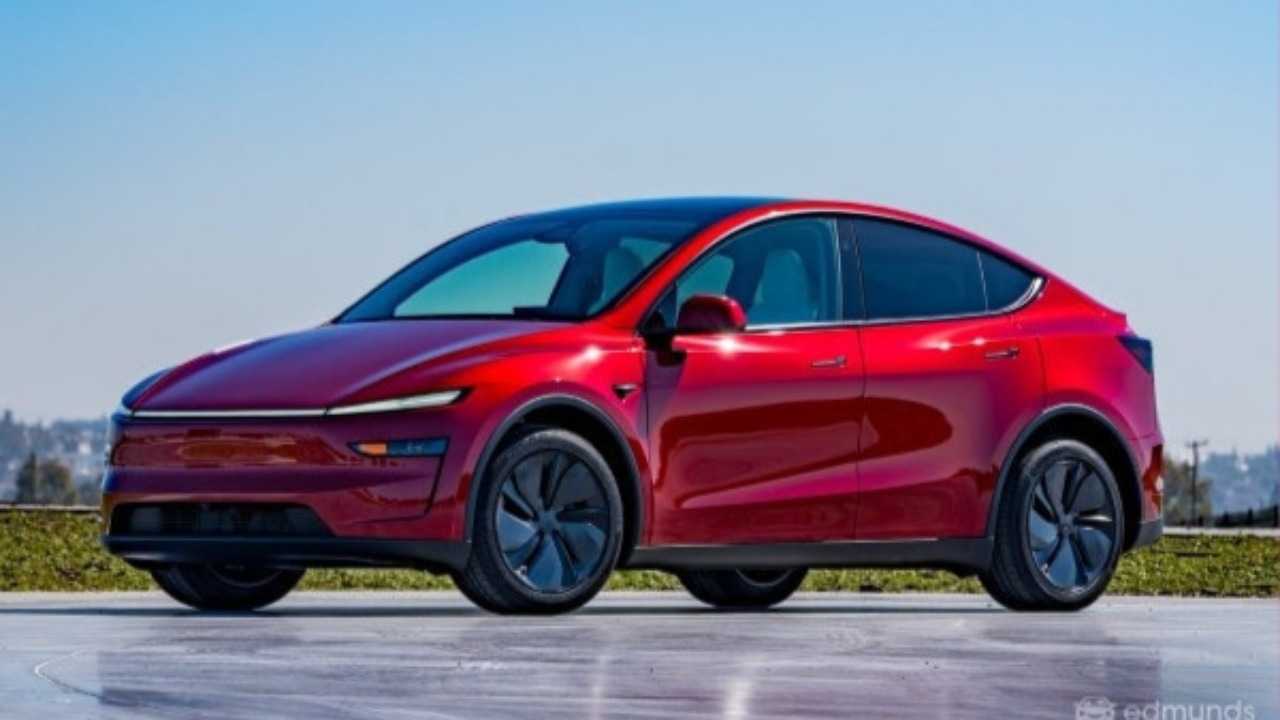
Tesla’s global sales continue to decline
Tesla’s global car sales continue to decline sharply, even as the company shifts focus toward robotics and self-driving initiatives. Despite being primarily a car manufacturer, Tesla CEO Elon Musk has spent much of 2025 concentrating on robotics and securing shareholder approval for a $1 trillion compensation package,according to Jalopnik. Meanwhile, Tesla’s core business—selling electric vehicles—is under significant pressure in major markets such as Europe, China, and the United States. According to the European Automobile Manufacturers’ Association, Tesla’s sales in Europe dropped 48.5% in October compared to the previous year, with an overall 30% decline expected for 2025, despite the region’s EV market expanding by 26% over the same period. Globally, vehicle deliveries are forecast to fall by 7% in 2025, following a 1% drop in 2024, highlighting that consumer enthusiasm is waning even after a record third quarter, which benefited from American buyers rushing to take advantage of expiring EV tax incentives.
Tesla’s attempt to innovate within the transport sector is visible in its robotaxi initiatives. A limited fleet is currently operating in San Francisco, with the Austin, Texas fleet set to double in December. While these efforts align with Musk’s vision of self-driving transportation, the exact scale of deployment remains unclear, and communication about progress is largely limited to Musk’s personal posts on X (formerly Twitter), Tesla’s main channel for public updates. Critics note that such ventures do little to address the company’s declining traditional car sales, especially as customers continue to favor more modern, reliable vehicles.
The company’s struggles contrast with competitors like Audi, which is preparing a price increase for its 2026 Q3 compact crossover. While compact crossovers historically compete on affordability, Audi has streamlined its trims and raised starting prices, indicating market shifts that could affect consumer choices. This trend underscores broader economic pressures on the automotive sector, including tariffs and rising production costs, which challenge carmakers in maintaining sales momentum.
Overall, Tesla’s emphasis on futuristic ventures like robotics and self-driving technology comes as global vehicle sales face headwinds. While innovation may bolster stock valuations and public interest, the company’s immediate challenge remains reversing the declining trend in car sales across key international markets.