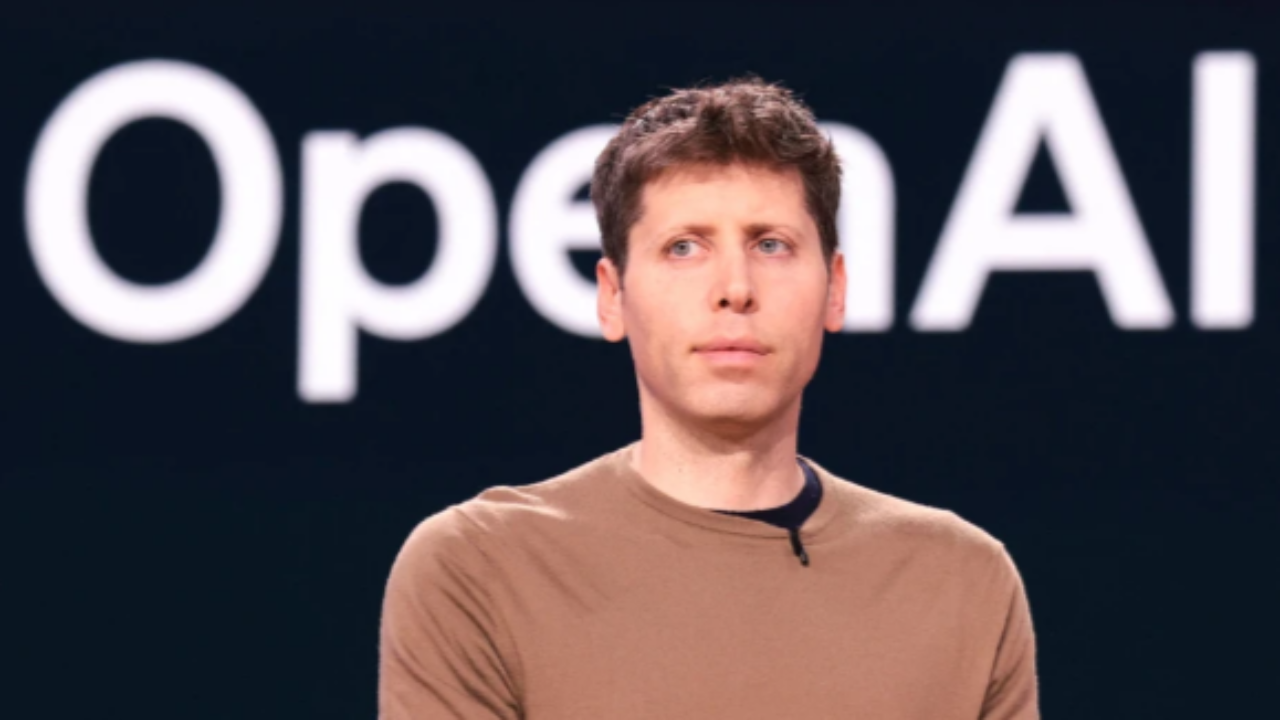
OpenAI reveals it has begun training a new flagship A.I. model which aims to match the human capabilities
OpenAI has announced that it has begun training a new flagship AI model that will succeed its current GPT-4 technology, which powers the popular ChatGPT chatbot.
According to the New York Times, the company expects this new model to bring the next level of capabilities as it works towards achieving artificial general intelligence (AGI) - an AI system that can match the capabilities of the human brain.
This new model will serve as the foundation for a variety of AI products, including chatbots, digital assistants, search engines, and image generators.
Recognizing the potential risks associated with this advanced AI technology, OpenAI is also creating a new Safety and Security Committee to explore how these risks should be addressed.
“While we are proud to build and release models that are industry-leading on both capabilities and safety, we welcome a robust debate at this important moment,” the company said.
OpenAI is aiming to rapidly advance AI technology, outpacing its rivals, while also addressing concerns about the dangers and societal impacts of powerful AI systems.
Experts disagree on the timeline for achieving artificial general intelligence, but major tech companies have been steadily increasing AI capabilities every few years. OpenAI's latest GPT-4 model, released in March 2023, has expanded conversational and analytical abilities, with an even more advanced version now unveiled.
Days after OpenAI showed the updated version — called GPT-4o — the actress Scarlett Johansson said it used a voice that sounded “eerily similar to mine.”
She said she had declined efforts by OpenAI’s chief executive, Sam Altman, to license her voice for the product and that she had hired a lawyer and asked OpenAI to stop using the voice. The company said that the voice was not Ms. Johansson’s.
Technologies like GPT-4 learn their skills by analyzing vast amounts of digital data, including sounds, photos, videos, Wikipedia articles, books and news stories.
The New York Times sued OpenAI and Microsoft in December, claiming copyright infringement of news content related to AI systems. Digital "training" of AI models can take months or even years. Once the training is completed, AI companies typically spend several more months testing the technology and fine tuning it for public use.
That could mean that OpenAI's next model will not arrive for another nine months to a year or more. As OpenAI trains its new model, its new Safety and Security committee will work to hone policies and processes for safeguarding the technology, the company said.
The committee includes Mr. Altman, as well as OpenAI board members Bret Taylor, Adam D'Angelo and Nicole Seligman. The company said that the new policies could be in place in the late summer or fall.