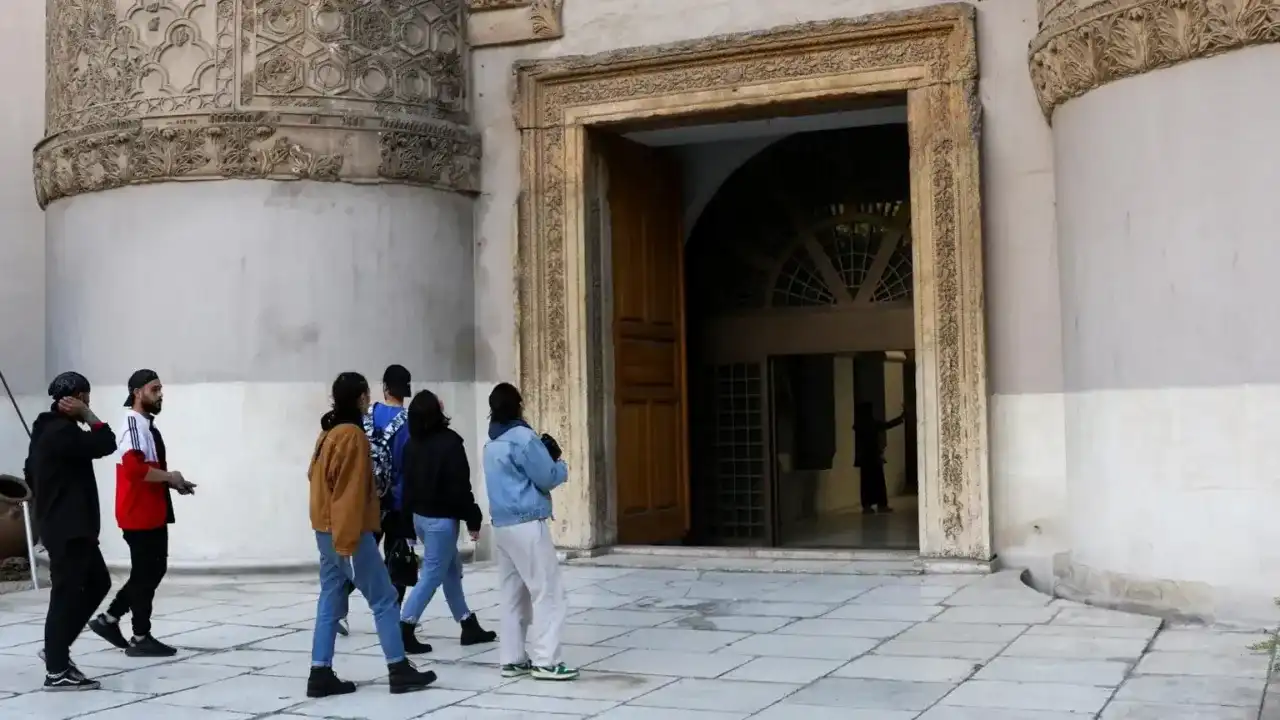
Ancient Roman statues stolen from Syria's National Museum in shocking heist
Ancient statues and artefacts have recently been stolen from Syria's National Museum in Damascus, sparking significant concern among officials and cultural heritage advocates. The theft was discovered on a Monday when museum staff found that a door had been forcibly broken from the inside. It has been reported that six missing statues, made of marble and dating back to the Roman era, were taken during the incident.
In response to the theft, Syria’s Directorate-General for Antiquities and Museums has launched an investigation to determine the circumstances surrounding the loss and has implemented enhanced protective measures to prevent future incidents. Brigadier-General Osama Atkeh, head of internal security in Damascus province, stated that security forces are actively investigating the theft, which targeted several archaeological statues and rare collectibles. Guards at the museum, among others, are being questioned as part of the inquiry.
Established in 1919, the National Museum of Damascus houses Syria's most significant archaeological collection. Key highlights include clay cuneiform tablets from Ugarit, dating back to the 14th Century BC, which provide evidence of the oldest known complete alphabet. The museum also features 1st and 2nd Century AD Greco-Roman sculptures from Palmyra, an ancient cultural center, and a 3rd Century AD synagogue from Dura Europos.
The museum faced considerable challenges beginning in 2012, following the onset of the Syrian civil war. As conflict escalated, the museum was forced to close, and most of its collection was evacuated to secret locations for protection. It partially reopened in 2018 and resumed full operations in January 2025, shortly after rebel forces overthrew President Bashar al-Assad.
Throughout the civil war, Syria’s six UNESCO World Heritage sites suffered extensive damage and destruction. The Islamic State (IS) group notably demolished several temples and structures in Palmyra, labeling them idolatrous, an act that UNESCO condemned as a war crime. Additionally, numerous artefacts have been destroyed or looted from archaeological sites and museums, further endangering the region's rich cultural heritage.
The recent theft at the National Museum underscores continued vulnerabilities faced by cultural institutions in conflict zones and the ongoing need for international cooperation to protect and preserve heritage sites globally.