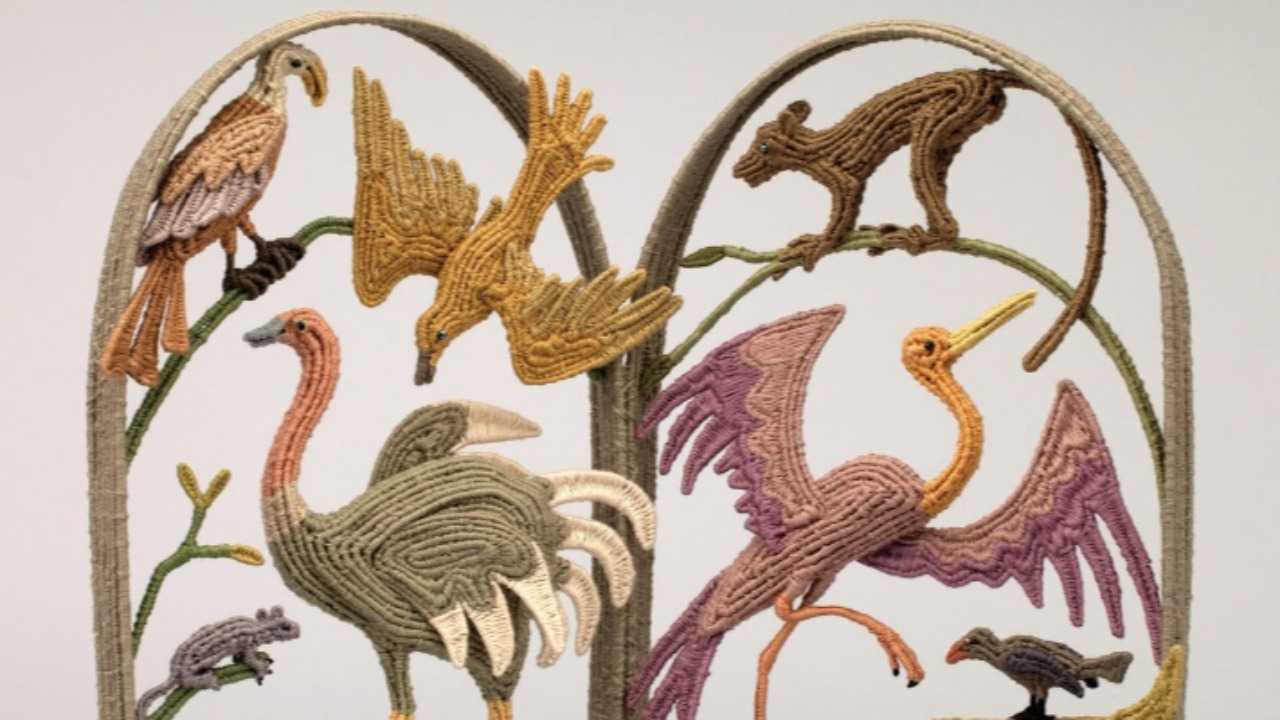
Four Centuries of Women’s Art Take Center Stage in Fargo
A major exhibition at the Plains Art Museum in Fargo is shining a long-awaited spotlight on women artists whose contributions to art history have frequently been overlooked. “Women Artists: Four Centuries of Creativity,” on view through March 1, brings together about 80 works ranging from a 17th-century etching by Italian Baroque artist Elisabetta Sirani to contemporary pieces by regional artists such as Laura Youngbird of Breckenridge, Minnesota.
Chief curator Danielle Gravon describes the show as a celebration and a corrective. For centuries, women artists faced restricted training, limited public exposure, and minimal representation in museum collections. This exhibition, organized in partnership with the Reading Public Museum in Pennsylvania, expands how women’s artistic legacies are understood, valued, and remembered.
Among the featured artists are well-known figures in art history, including Impressionist Berthe Morisot and Abstract Expressionist Helen Frankenthaler. The show also highlights prominent Native American and Midwestern artists such as Dyani White Hawk of Shakopee and Julie Buffalohead of St. Paul, whose works interrogate identity, community, and storytelling, according to MPR news.
The exhibition’s inspiration traces back to the Guerrilla Girls, a feminist art collective founded in 1985. Their provocative posters, including the iconic 1989 graphic asking, “Do Women Have To Be Naked To Get Into the Met. Museum?”, revealed the stark disparity between how women were represented as subjects versus creators in major museums. Gravon recalls this work as influential in her own education and used it as a catalyst to examine the Plains Art Museum’s collection. The results were striking: only about 10 percent of the museum’s 6,000 works were created by women.
These findings prompted a shift in the museum’s collecting priorities. Recent acquisitions now include works by influential regional artists such as Hazel Belvo and the late Judith Roode, whose pieces appear in the exhibition.
The project also became a hands-on learning experience. Gravon collaborated with Minnesota State University Moorhead art history professor Noni Brynjolson and students in her “Women and Art” course, who researched artists and wrote interpretive gallery labels. Though concise, these texts represent one of the few regional overviews focused specifically on women artists.
A free guided tour of the exhibition will be offered on November 13. The exhibition remains on view through March 1, 2026.