New museum examines family life of Mexican artist Frida Kahlo
A newly opened museum in Mexico City offers a fresh perspective on the life of Frida Kahlo, highlighting the intimate, loving aspects of the Mexican artist’s private life beyond her iconic, often painful works. The Casa Kahlo museum, which opened last week, is a deeply personal space, reflecting the warmth of a family where women played pivotal roles.
Located in a building that once served as the home of Kahlo’s parents and later her sister Cristina, the museum was a hub for family gatherings and artistic exchanges. It also served as a studio for young painters studying under Kahlo. According to Adan Garcia Fajardo, the museum's director, this space presents a more personal side of Frida: “She’s aunt Frida, daughter Frida, a Frida situated in the intimacy and security of family.”
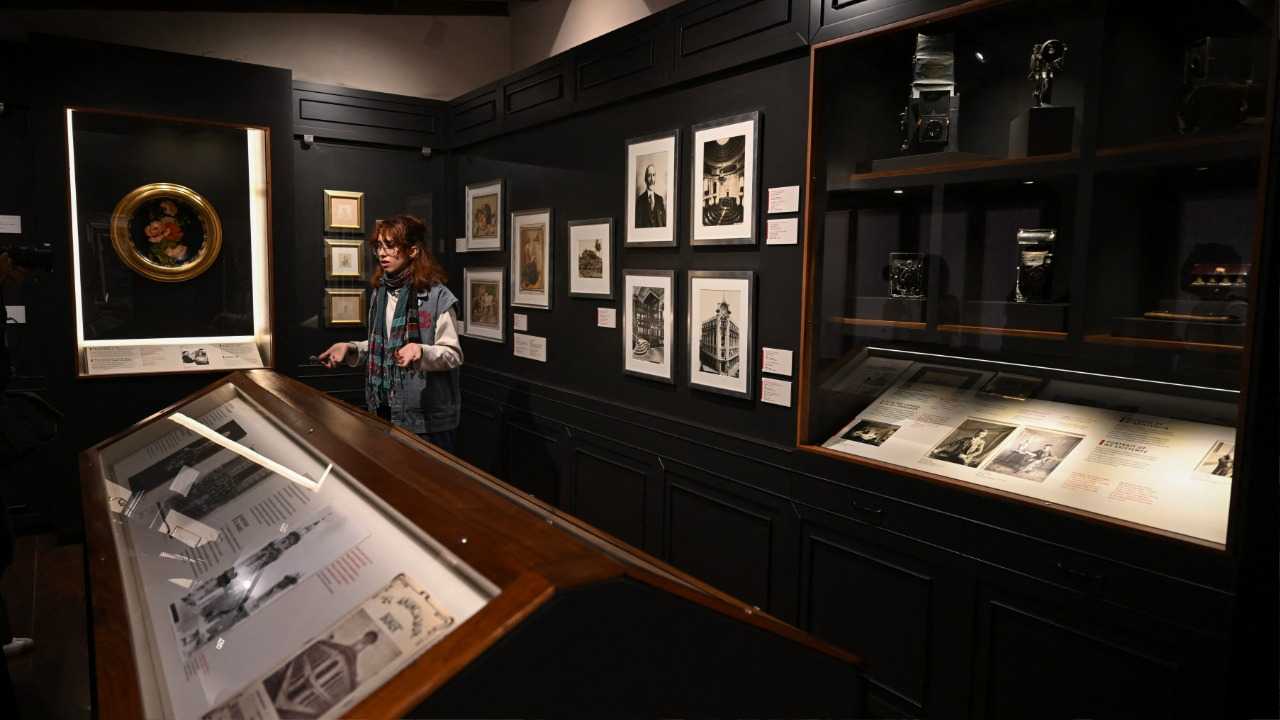
The museum displays nine of Kahlo’s original works, alongside numerous personal items and photographs taken by her father, Guillermo. These items help paint a picture of Kahlo not just as an artist, but as a woman navigating her world and relationships. After visiting, 19-year-old student Aranza Vazquez shared her feelings: “Visiting this museum, you learn more about Frida not as an artist, but as a woman. I feel like it was a place that belonged to her, where she could be herself.”
A key theme of the museum is Kahlo’s close bond with her sister Cristina, whom she described as “the other half of my life.” The home provided Kahlo with a refuge from the pain and challenges she endured throughout her life. Garcia Fajardo explained that the house was where Kahlo could retreat, rest, listen to music, create, and write.
Unlike Casa Azul, the museum located in the home Kahlo shared with her husband, Diego Rivera, Casa Kahlo offers a more intimate look at the artist’s life through the lens of her family, particularly her sister. Garcia Fajardo emphasized that the museum aims to “dismantle the monopoly” of Kahlo’s history, which has often been dominated by male perspectives, offering visitors a more personal and nuanced understanding of the artist’s life.