Rome's new Colosseum station reveals ancient treasures
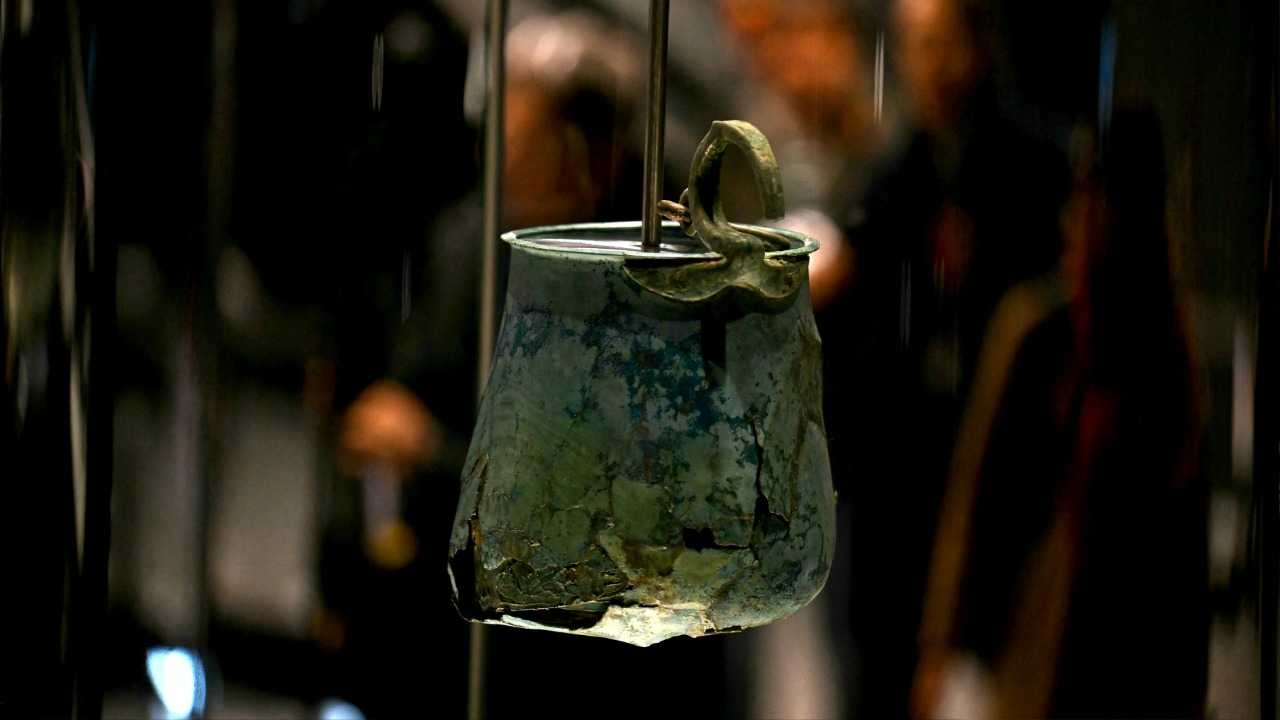
Beneath the entrance of Rome’s newest metro station under the Colosseum, display cases showcase hundreds of ancient artifacts uncovered during a decade-long construction project.
Spread across four levels, reaching a depth of 32 metres in the city’s heart, the “Colosseo-Fori Imperiali” station on Rome’s C-line was unveiled on Tuesday as a remarkable achievement of modern engineering. For just 1.5 euros, travelers can explore the station’s underground museum, which houses 350 objects ranging from ceramic jugs and lamps to bronze statuettes and even a wooden sword. Visitors can also glimpse the remains of a wealthy Roman’s bathhouse, offering a window into daily life nearly two millennia ago.
Rome’s history is layered, with temples and forums built atop older foundations, which themselves were later covered, creating rich archaeological strata. At ground level, a triangular opening provides a unique vantage point of the Colosseum, connecting the modern city to its ancient roots.
“The most important thing we have managed to do is provide insight into daily life,” said Elisa Cella, an archaeologist at the Colosseum archaeological park, during the presentation.
Rome’s mayor, Roberto Gualtieri, described the station opening as “an extraordinary and historic event” and defended the costly, lengthy construction that has disrupted residents and tourists for years. The project faced delays due to complaints and unexpected discoveries, but Gualtieri emphasized that these finds are not obstacles but opportunities to reveal the city’s “extraordinary past.”
Given Rome’s complex geology, engineers used a technique called “descending archaeology,” developed specifically for underground stations in the historic center. This method involves installing intermediate slabs as excavation progresses from top to bottom, ensuring structural stability while allowing archaeologists to work safely.
Also inaugurated on Tuesday was the Porta Metronia station, where excavations uncovered a vast 2nd-century AD military complex, including a residence decorated with frescoes and mosaics. The residence was carefully dismantled, restored, and reinstalled so metro passengers can view it from an elevated walkway. “Rome has always built on top of itself,” noted Simona Morretta, head of excavations and director of the Porta Metronia museum.
Construction of the C-line, launched in 2007, has experienced significant delays. When completed, it will feature 31 stations along 29 kilometers, connecting the city’s northeast to its southeast and combining modern transport with a vivid window into Rome’s layered, extraordinary history.