Turkey unveils archaeological finds shedding light on Neolithic societies
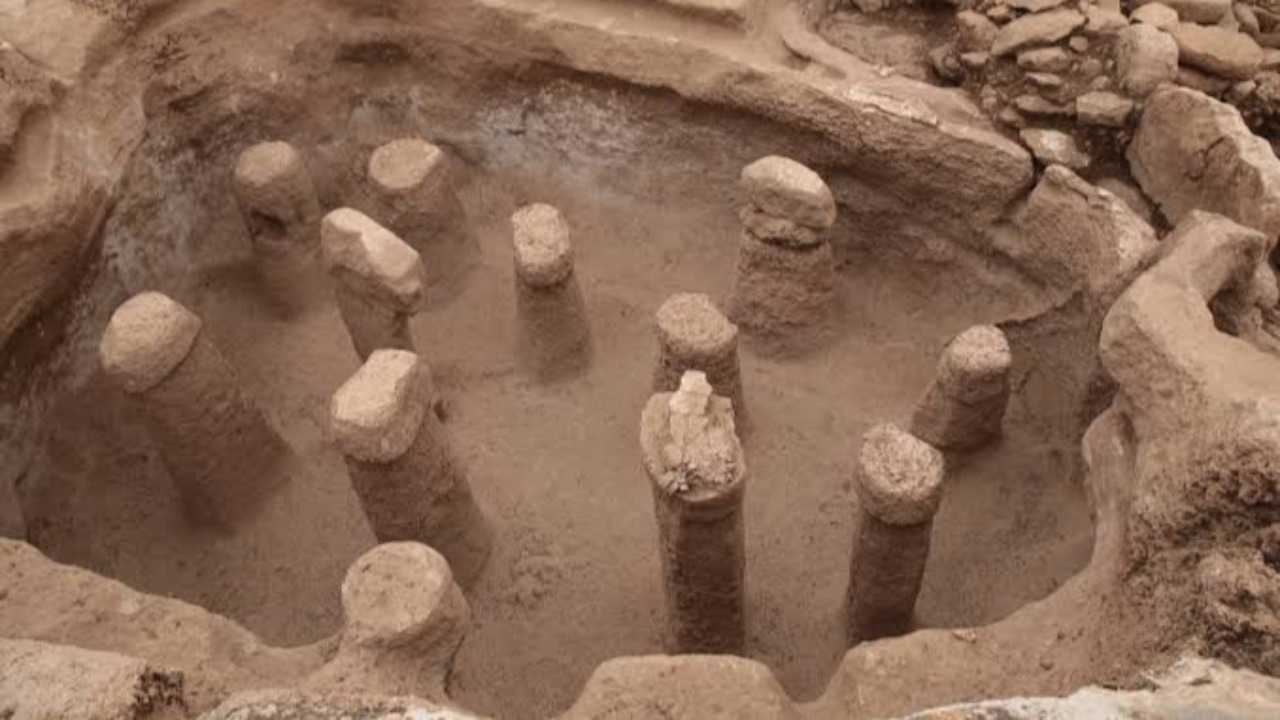
Turkey has unveiled a host of significant archaeological discoveries at a site in southeastern Turkey, shedding light on humanity's shift from hunter-gatherer societies to settled communities over **11,000 years ago**. These findings come from the **UNESCO World Heritage Site** of **Göbeklitepe** and the nearby **Karahantepe**, which are enhancing our understanding of prehistoric life.
Among the remarkable artifacts revealed is a statue depicting a facial expression reminiscent of a deceased individual, offering insights into Neolithic death rituals and symbolic expressions. A total of about **30 artifacts** were showcased, including human and animal statues, figurines, vessels, plates, jewelry, and even a human-shaped bead.
Turkey's Minister of Culture and Tourism, **Mehmet Nuri Ersoy**, emphasized the significance of these sites in reshaping our knowledge of Neolithic history, particularly regarding the transition to settled lifestyles. He stated that the discoveries suggest that early humans possessed a greater level of consciousness in belief systems, rituals, social organization, and cultural output than previously thought.
Göbeklitepe is anticipated to welcome approximately **800,000 visitors** this year, reflecting its increasing recognition as a site of immense historical importance. The ministry's project, called the **Stone Mounds**, encompasses **12 Neolithic sites** in **Şanlıurfa**, dating back to **9,500 BC**. Key features of Göbeklitepe and Karahantepe include monumental structures with oval shapes, some reaching up to **28 meters** in diameter, surrounded by T-shaped limestone pillars often interpreted as human representations, with various animal reliefs.
Recent excavations at Karahantepe also revealed a T-shaped pillar featuring a human face, marking the first known depiction of a human face on such a pillar. **Necmi Karul**, the head of excavations, highlighted the diversity of evidence found, noting that it brings researchers much closer to understanding prehistoric societies. He pointed out that the project has shown settled life in these communities occurred while they were still engaged in hunter-gatherer lifestyles, challenging prior assumptions that agriculture and animal husbandry were the primary catalysts for settled living.