Indie game studios battle for piece of Switch 2 success
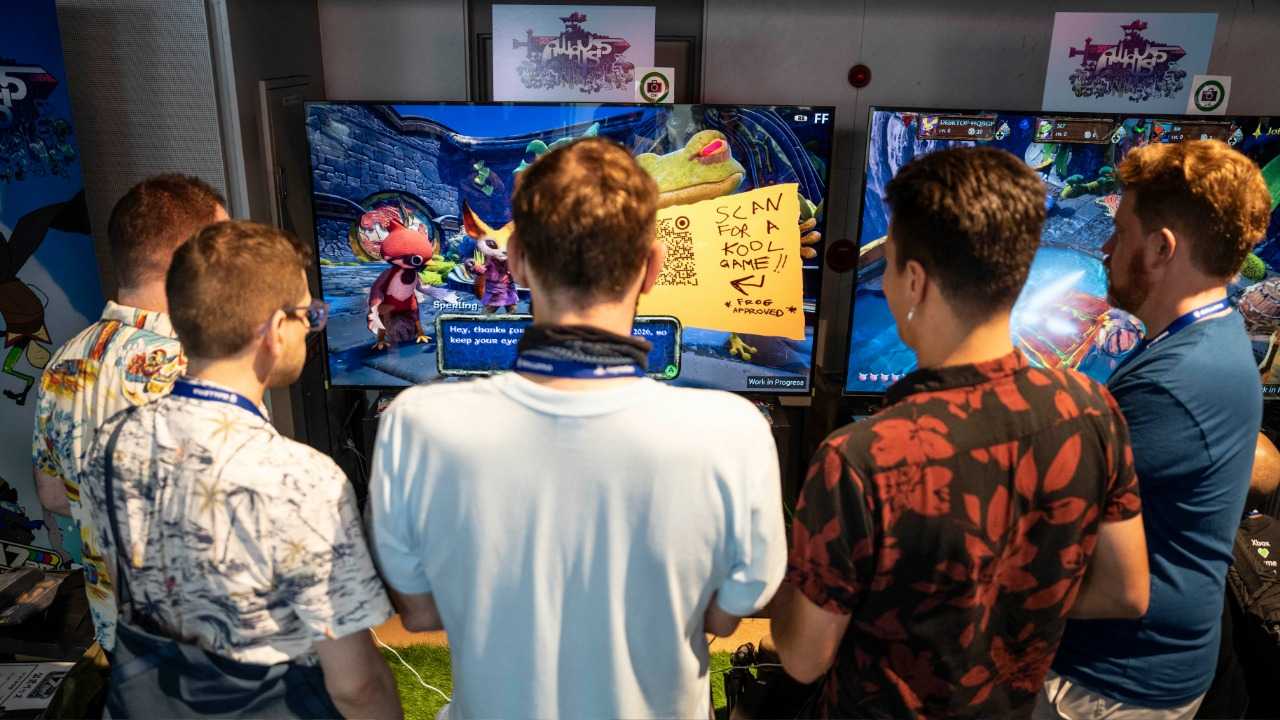
Players crowded Nintendo’s booth at a Japanese gaming fair to try out upcoming Switch 2 titles—but notably absent was the company’s iconic red-capped mascot, Mario.
The three showcased games were all created by small, independent developers hoping to stand out on the newly launched Switch 2, now the world’s fastest-selling console. Yet, breaking into a platform long dominated by Nintendo’s own franchises—from “Super Mario” to “Animal Crossing”—remains a steep challenge.
“The Switch 2 has certainly gotten off to a strong start,” said Krysta Yang of the Nintendo-focused Kit & Krysta Podcast. But she noted that for third-party developers, that success hasn’t yet translated into strong sales. Many buyers purchase the console specifically for Nintendo exclusives like “Mario Kart World,” and with its premium price tag, consumers have been reluctant to invest in additional, non-Nintendo titles.
Additionally, many third-party games currently available—such as “Cyberpunk 2077”—have already appeared on rival platforms like the PlayStation 5, further dampening their appeal.
Yang emphasized that Nintendo is motivated to maintain strong ties with outside developers, recognizing the importance of third-party support to sustain the console’s life cycle. Still, she acknowledged “there certainly are challenges.”
Despite this, many developers descended on Kyoto, Nintendo’s hometown, to showcase their projects at BitSummit, a three-day indie game expo that began Friday. Developers displayed a wide range of software, from retro-style puzzles to immersive horror titles, with several in discussions with Nintendo about future releases.
The upgraded Switch 2 hardware has expanded creative possibilities. “It opens up the space for what can be made,” said Ryan Juckett of U.S.-based Hypersect. With Nintendo titles often being pricey, “there’s a gap for cheaper, easier-access games,” added Kent Burgess of New Zealand’s “Bashful Adoration.”
Game concepts ranged from quirky to surreal—such as a shy giraffe whose head explodes when he speaks to strangers, featured in Lin Huang’s “A Week in the Life of Asocial Giraffe.”
While Nintendo once had a reputation for being tough on third-party developers, consultant Serkan Toto said that changed with the success of the original Switch, launched in 2017 after the Wii U’s failure.
As for AI, developers at BitSummit said they use generative tools sparingly, mainly to streamline coding—not to replace human creativity. “An AI game won’t match the love and soul of a hand-built one,” said Lauren Kenner of Noodle Cat Games.