AI physiotherapy app cuts back pain treatment waiting lists by 55% in NHS trial
An app utilizing artificial intelligence (AI) for physiotherapy has significantly reduced treatment waiting lists for back pain, according to a recent NHS trial. Conducted in Cambridgeshire and Peterborough, the program has decreased waiting times by 55% and saved approximately 2,500 hours of clinician time.
Developed by Flok Health, the app is the first of its kind regulated by the Care Quality Commission. It triages, treats, and discharges patients, allowing more complex cases to receive the attention they need. Jayne Davies, clinical lead for musculoskeletal (MSK) services, highlighted the potential for the app to be a game-changer, especially given the rising demand for services that outstrips the NHS's capacity.
With about 80% of adults experiencing back pain at some point, MSK disorders are a leading cause of work absence and disability in the UK. Waiting times for MSK services typically exceed 18 weeks, making the app's effectiveness particularly notable.
Participants in the trial reported positive experiences. For instance, Annys Bossom, who has dealt with back pain for 25 years, found the app easy to use and beneficial, stating it offered exercises she hadn’t encountered before. Similarly, Sharon McMahon, who was able to begin treatment the same day she accessed the app, praised its flexibility.
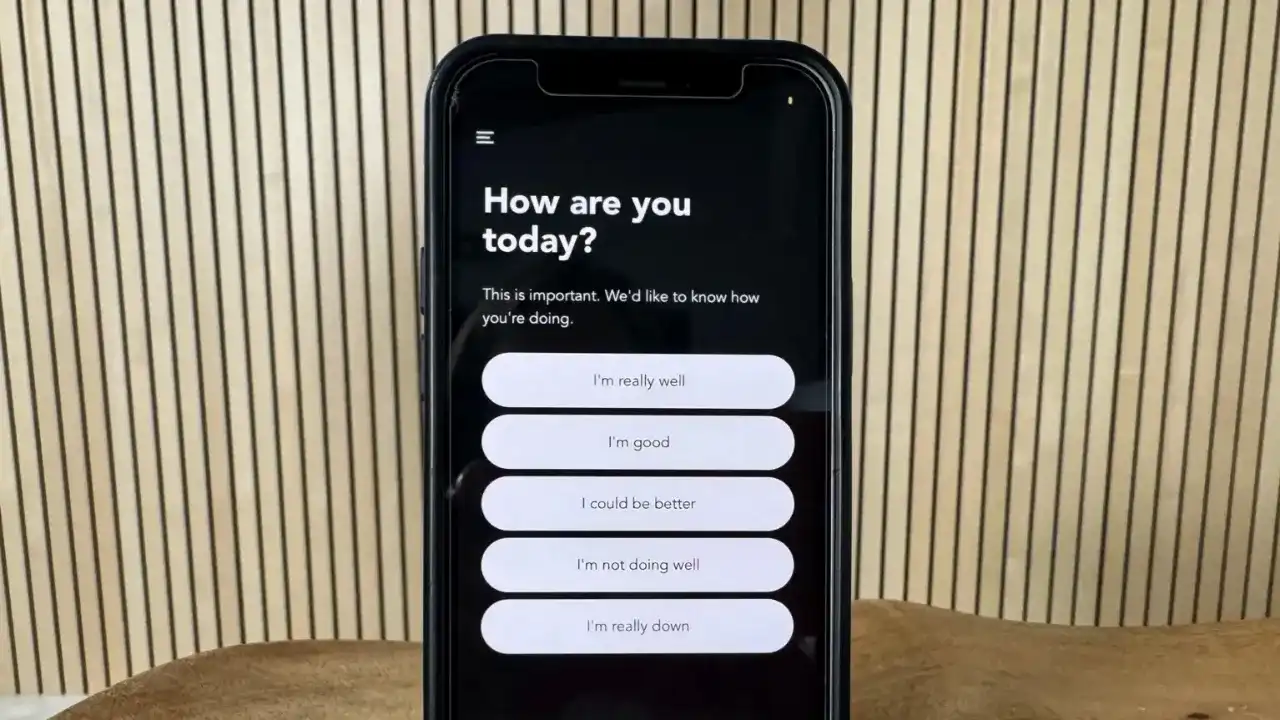
The app assesses pain through a series of questions and recommends a personalized plan of recorded exercises, demonstrated by physiotherapist Kirsty Henderson. Remarkably, 98% of patients were assessed, treated, and discharged via the digital clinic, with only 2% needing a face-to-face referral.
Key findings from the trial include:
80% of patients rated the app as equivalent or better than traditional care.Monthly clinician time savings of 856 hours.Overall waiting times for MSK services reduced from 18 weeks to under 10 weeks.Despite its success, concerns about data protection and AI regulation remain. Finn Stevenson, co-founder of the app, emphasized the need for such solutions due to clinician shortages. The Chartered Society of Physiotherapy acknowledged the crisis in physiotherapy and supported the app as a means to help patients manage their conditions more effectively.
Henderson reassured that the technology would not replace physiotherapists, but rather enable them to focus on more complex cases. The app includes features to alert physiotherapists if a patient provides concerning responses, ensuring human oversight in treatment.