Rain forecasts raise fears in flood-hit Indonesia, Sri Lanka
Fresh forecasts of rain on Thursday deepened fears in Indonesia and Sri Lanka, both still reeling from catastrophic flooding that devastated multiple Asian countries last week and left more than 1,500 people dead. The new warnings come as rescue operations struggle to reach isolated areas and survivors face worsening shortages.
In Indonesia, the meteorological agency announced that the three most affected provinces in Sumatra will experience “moderate to heavy” rainfall through Friday. Although rains began overnight, they have not yet matched the intensity of last week’s torrential downpours that triggered deadly flash floods and landslides. Officials revised the national death toll to 776, with more than 560 people still missing. Many regions remain cut off due to collapsed infrastructure, patchy communications, and ongoing power outages.
In the North Sumatran town of Pandan, survivors remain traumatized. One resident, 54-year-old Sabandi, described waiting two days on her rooftop without food or water as mud engulfed her home. With new rain predicted, she and others fear renewed floods, highlighting the psychological toll of repeated disasters.
Across the region, seasonal monsoon patterns—already vital for agriculture—have grown increasingly erratic due to climate change, intensifying rainstorms and making flooding more destructive and unpredictable. Last week’s deluge was fueled by two separate weather systems that drenched Sumatra, Sri Lanka, southern Thailand, and northern Malaysia.
Relief efforts remain strained. Fuel queues in Banda Aceh stretch up to four kilometers, and survivors elsewhere report food shortages, price gouging, and isolated incidents of looting.
Sri Lanka is facing similarly dire conditions. Forecasters said the northeast monsoon would arrive Thursday afternoon, prompting renewed landslide alerts for the already-devastated central regions. Authorities warned residents not to return to homes located on saturated slopes. Key transport routes have been partially reopened, but road conditions remain treacherous, with landslide debris and damaged surfaces slowing movement.
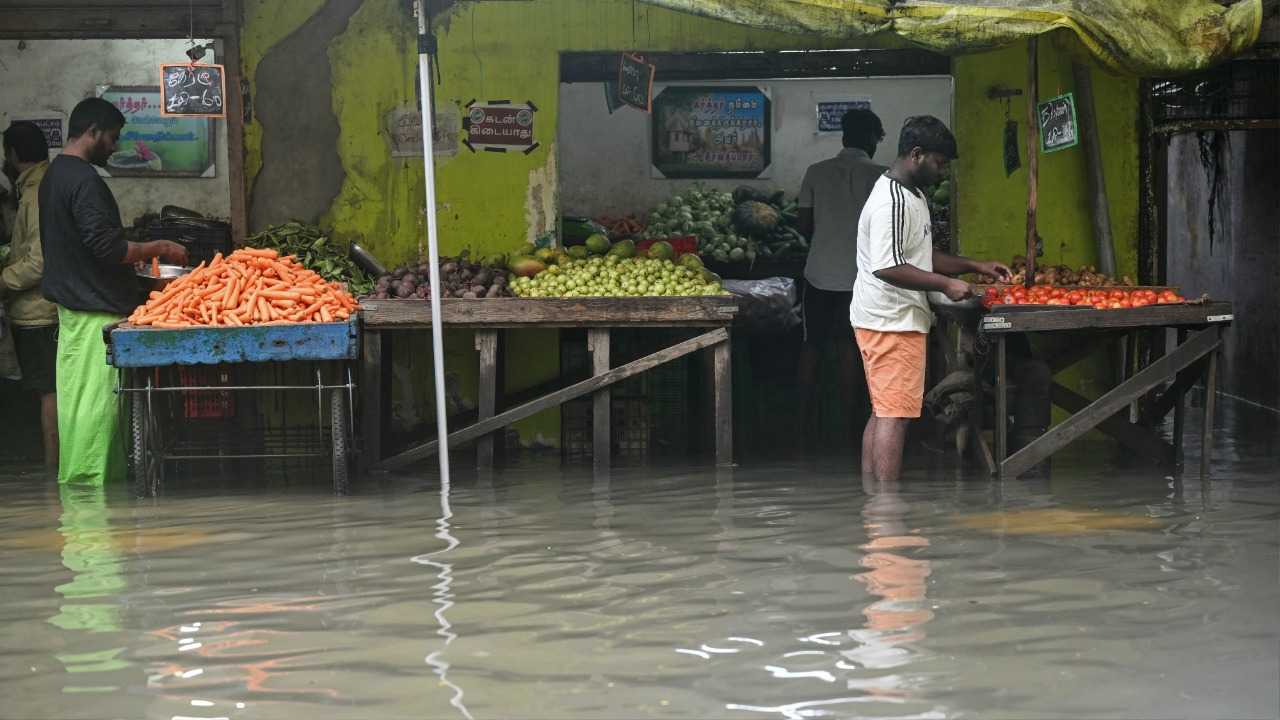
Sri Lanka’s death toll has climbed to at least 479, with hundreds still unaccounted for. The government estimates reconstruction costs could reach $7 billion—an overwhelming burden for a nation still recovering from its worst economic crisis in decades. Outside Colombo, returning residents found homes still submerged and businesses destroyed. One survivor, Soma Wanniarachchi, recounted fleeing rising floodwaters before returning to find her livelihood washed away.