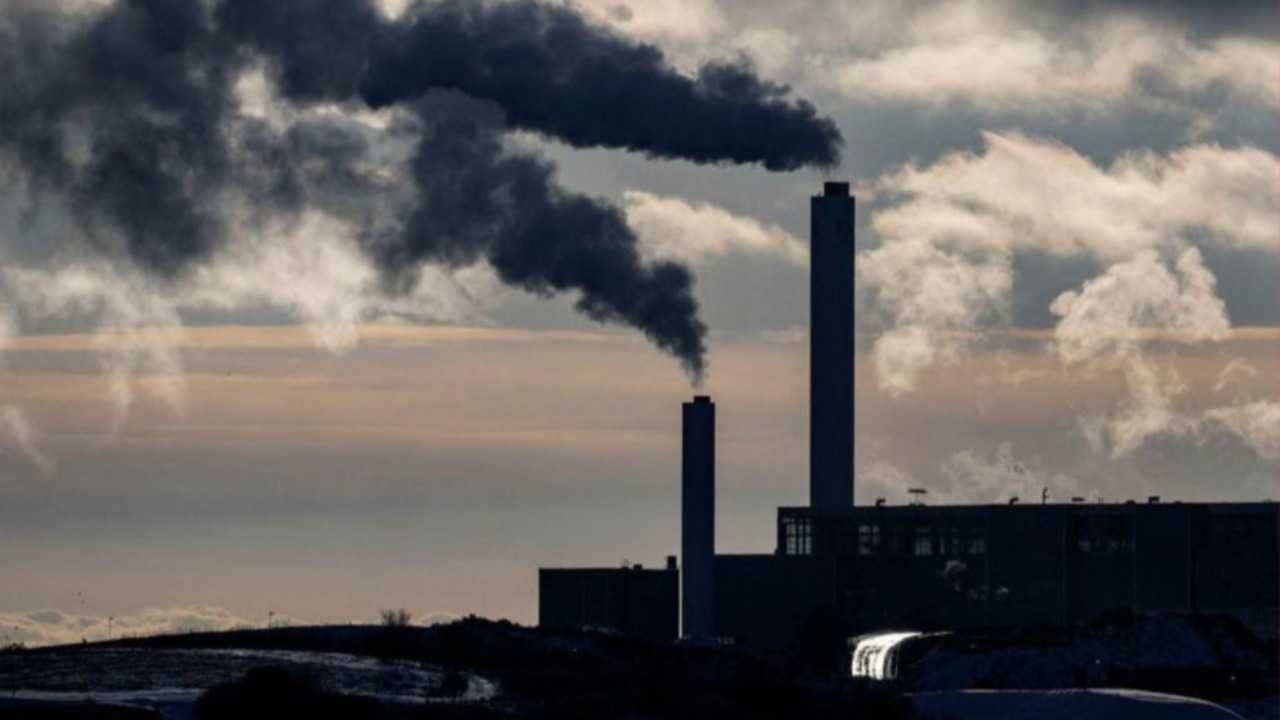
Swedish greenhouse emissions up 7% in 2024, puts climate goals at risk
Sweden recorded a sharp rise in greenhouse gas emissions in 2024, marking the largest annual increase since 1990, largely driven by higher diesel consumption, according to figures released Tuesday by the Swedish Environmental Protection Agency.
Total emissions reached 47.5 million tonnes of carbon dioxide equivalents, an increase of more than three million tonnes compared with 2023. The agency said the rise was unprecedented in recent decades, noting that the only comparable surge occurred in 2010 during the economic rebound following the global financial crisis.
Officials attributed the increase primarily to greater use of fossil diesel in road traffic and industrial work machinery. As a result, the domestic transport sector has now become Sweden’s single largest source of greenhouse gas emissions, reversing years of steady progress in reducing pollution from transport.
The agency linked the trend to recent policy changes under Sweden’s conservative coalition government, which is supported in parliament by the anti-immigration Sweden Democrats. Lower fuel taxes were a central campaign pledge for the government, aimed at easing costs for households and businesses amid inflationary pressures. In addition, the government relaxed Sweden’s so-called “reduction obligation,” a policy that requires fuel suppliers to blend petrol and diesel with renewable alternatives such as biofuels.
Environmental organisations and several government bodies have warned that these measures risk undermining Sweden’s climate commitments. For more than a decade, Sweden had been regarded as a leader in emissions reductions, with a consistent downward trend that put the country on track to meet both its national interim climate targets and its obligations under European Union agreements.
“Over the past 15 years, emissions have generally been declining, and we appeared well positioned to meet both our national targets and the EU’s 2030 commitment,” said Roger Sedin, head of the agency’s climate target unit. “The increase in emissions in 2024 has made that significantly more difficult.”
Sweden has pledged to reach net-zero emissions by 2045, five years earlier than the EU-wide goal of 2050. Meeting that target will require steep cuts across multiple sectors, particularly transport, which has proven sensitive to fuel prices and regulatory changes.
The environmental agency stressed that without renewed policy efforts to curb fossil fuel use and accelerate the transition to cleaner alternatives, Sweden risks falling short of its long-term climate ambitions, potentially damaging its reputation as a frontrunner in climate action.