EU VP: Easing car emission rules 'pragmatic' response to industry challenges
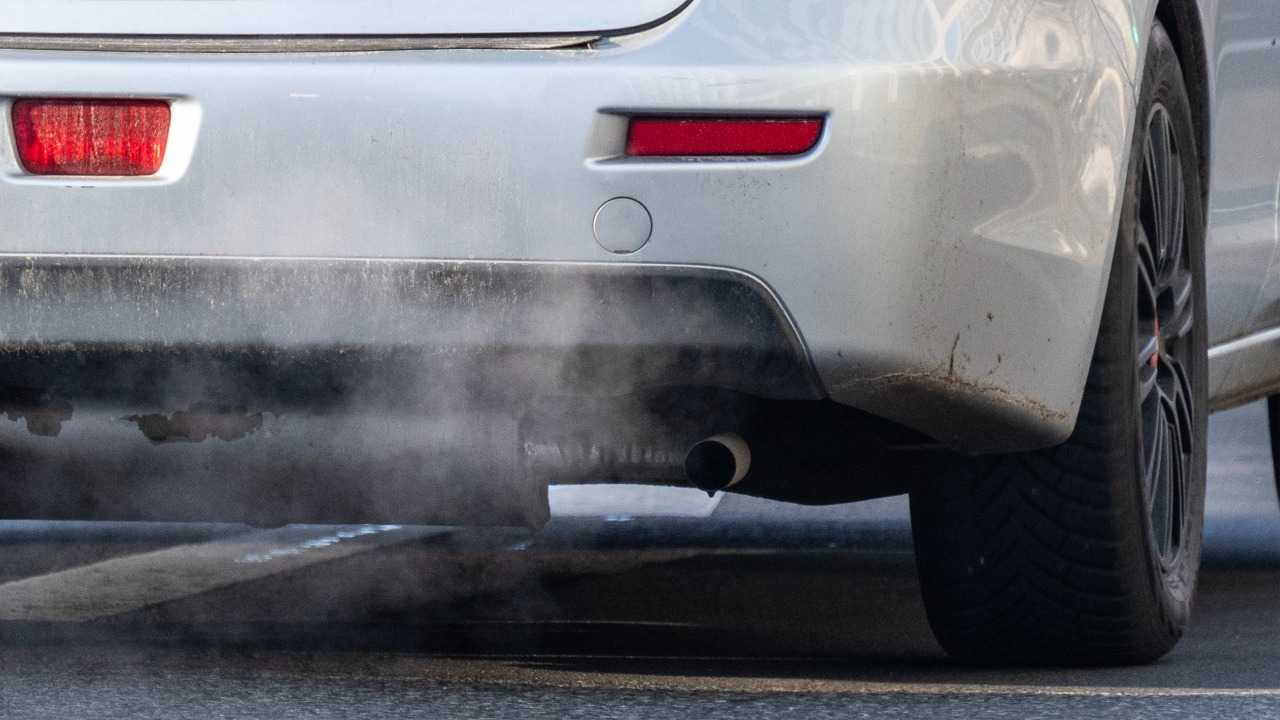
The European Union on Tuesday announced a significant relaxation of its planned 2035 ban on new combustion-engine cars, describing the move as a “pragmatic” response to challenges facing the sector while insisting that the bloc’s climate ambitions remain intact.
“The European Commission has chosen an approach that is both pragmatic and consistent with its climate objectives and ambitions,” EU Industry Chief Stephane Sejourne told AFP in an interview at the European Parliament. The decision comes after sustained lobbying from the auto industry, which has warned that the 2035 ban could threaten jobs and competitiveness in the face of rising global competition.
Under the revised approach, carmakers will still be expected to transition to electric vehicles, but Brussels will allow “other types of technologies” to account for a limited share of sales beyond 2035. Sejourne emphasized that the EU’s overall goal of carbon neutrality by 2050 has not changed, but the adjustments reflect practical realities, including slow consumer uptake of EVs and the difficulties manufacturers face in producing only electric vehicles by 2035.
Adopted during Commission President Ursula von der Leyen’s first term, the original combustion-engine ban was a flagship measure in the EU’s climate agenda. Critics argue that scaling back the ban risks weakening Europe’s green credentials. Sejourne rejected this, saying that the concessions were “pragmatic” given current market conditions and do not compromise the long-term electric transition.
The decision is part of a broader pro-business shift in the EU over the past year, amid trade tensions with the United States and strong competition from China. Earlier this year, Sejourne warned that Europe’s car industry—the jewel of the continent’s manufacturing sector, employing nearly 14 million people and contributing around seven percent of EU GDP—was in “mortal danger” if no action was taken.
Germany and Poland had been among the strongest advocates for rolling back the 2035 ban, arguing for the right to continue selling combustion-engine cars past the deadline. France took a more cautious approach, concerned that easing restrictions could slow the growth of Europe’s emerging electric battery industry. Sejourne reassured that France had not lost out, noting the EU’s €1.5 billion ($1.8 billion) interest-free loan program for European battery manufacturers announced alongside the revised measures.
While Brussels’ concessions offer temporary flexibility to carmakers, the EU maintains that the long-term shift toward electrification and carbon neutrality remains a central pillar of its industrial and climate strategy.