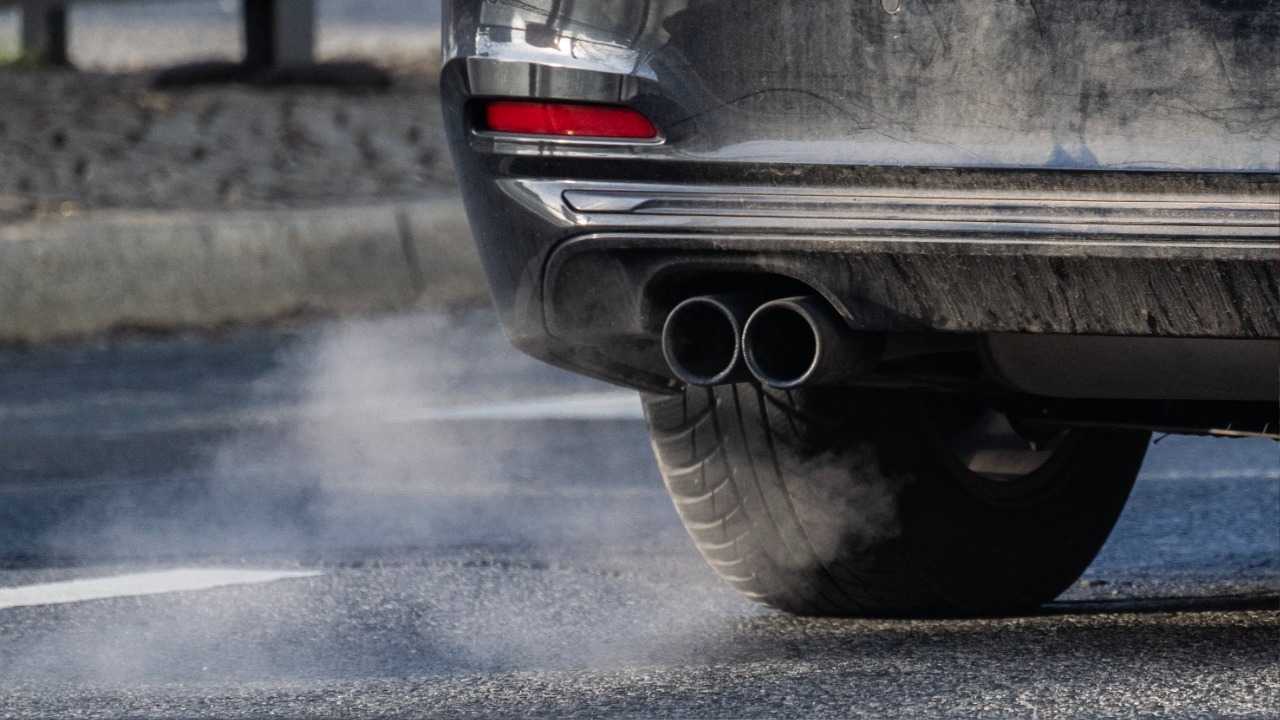
EU eases 2035 combustion-engine ban to boost car industry
The European Union on Tuesday scaled back its planned 2035 ban on new petrol and diesel cars, a key climate milestone. Under the revised plan, carmakers must cut emissions from new vehicles by 90 percent from 2021 levels, down from the originally planned 100 percent. The remaining emissions would need to be “compensated” through measures such as using low-carbon steel in production and adopting e-fuels and biofuels supplied by energy companies.
EU Industry Commissioner Stephane Sejourne described the move as a “lifeline” for Europe’s struggling auto sector, insisting that climate ambitions remain intact. The original 2035 combustion-engine ban, adopted in 2023, was hailed as a major win for the environment. Yet automakers and lobbyists pushed Brussels to relax the measure amid fierce competition from China and a slow transition to electric vehicles (EVs). The change marks the most visible result of a broader pro-business push in the EU this year, which has seen several environmental rules scaled back over concerns about economic growth.
Even with the new rules, carmakers can still sell a limited number of polluting vehicles past 2035, including plug-in hybrids and diesel cars, provided they offset emissions. Europe’s auto industry, employing nearly 14 million people and representing about seven percent of GDP, has faced factory closures and job cuts. Industry leaders cite high costs and inadequate charging infrastructure as obstacles to EV adoption, with only about 16 percent of new cars sold in the first nine months of 2025 being fully electric.
The EU also unveiled measures to support the sector. Small, affordable EVs made in Europe will receive “super credits,” with sales under 4.2 meters counted 1.3 times to help meet targets. Interim 2030 emission targets for vans will drop from 50 to 40 percent, and truck makers will get more time to comply. Corporate fleets must be partially electrified, with at least 30 percent of new vehicles zero- or low-emission, rising in wealthier countries. The EU will also provide €1.5 billion in interest-free loans to European battery producers.
Road transport accounts for around 20 percent of Europe’s greenhouse gas emissions, 61 percent from cars. While the 2035 ban has been softened, the EU maintains that its broader push toward green mobility and electrification remains central to its climate strategy.