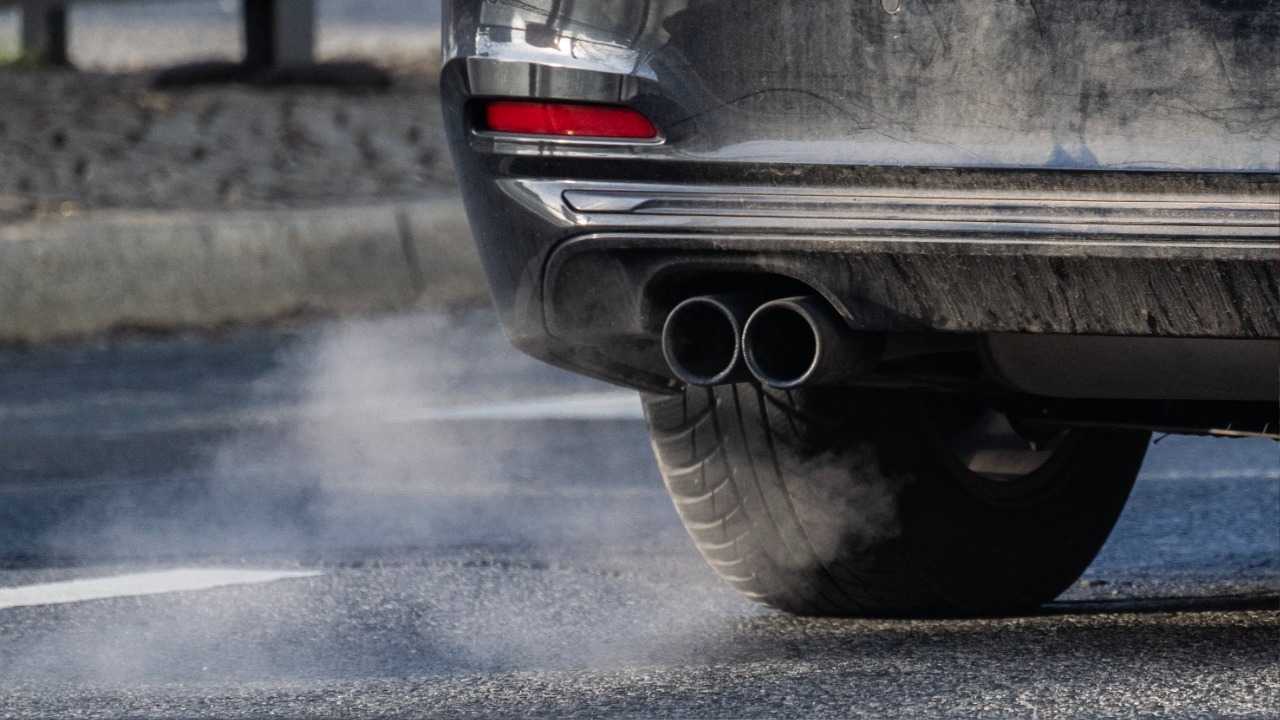
EU eases 2035 combustion-engine ban to boost car industry
The European Union on Tuesday rolled back its planned 2035 ban on new petrol and diesel cars, a measure widely seen as a major milestone in tackling climate change. Under the revised proposals, carmakers will now be required to cut emissions from new vehicles by 90 percent from 2021 levels, down from the previously envisaged 100 percent. The remaining emissions would need to be “compensated” through various measures, including the use of low-carbon steel in car production and the adoption of e-fuels and biofuels supplied by energy companies.
EU Industry Commissioner Stephane Sejourne described the plan as a “lifeline” for Europe’s auto sector, insisting that the bloc’s climate ambitions remain intact. “The European Commission has chosen an approach that is both pragmatic and consistent with its climate objectives,” he told AFP. The original 2035 combustion-engine ban, adopted in 2023, was hailed as a major step forward in the fight against climate change.
However, automakers and industry lobbyists have spent the past year pushing Brussels to relax the measure, citing strong competition from China and a slower-than-expected transition to electric vehicles (EVs). Weakening the ban is the most visible outcome of a broader pro-business push in the EU this year, which has seen several environmental regulations scaled back over concerns about their impact on economic growth.
Even under the new rules, carmakers will still be able to sell a limited number of polluting vehicles past 2035, from plug-in hybrids to diesel cars, provided they compensate for the associated emissions. These measures aim to offset the environmental impact while giving the sector more flexibility in its transition to electric mobility.
Europe’s auto industry, which employs nearly 14 million people and accounts for around seven percent of the EU’s GDP, has faced a wave of job cuts and factory closures over the past year. Industry leaders argue that the original 2035 target is unrealistic due to high upfront costs and insufficient charging infrastructure in parts of the 27-nation bloc, which has slowed consumer adoption of EVs. Only about 16 percent of new cars sold in the first nine months of 2025 were battery-powered.
The new emission reduction target was welcomed by some, including Manfred Weber, the conservative head of the EU parliament’s largest group, who argued that forbidding certain technologies would fuel populist narratives. Critics, however, including Spain, France, and Nordic countries, warned that relaxing the ban could undermine the EU’s green agenda and slow the shift toward electrification. Neil Makarof, director at the think tank Strategic Perspectives, said, “To claim that tomorrow’s jobs and innovations still lie in diesel or petrol engines, when the rest of the world has embarked on an industrial race towards batteries and electric vehicles, is to condemn the French and European automotive industry to decline.”
In addition to revising the 2035 ban, the commission introduced several measures aimed at supporting the sector. Small, affordable electric cars made in Europe will receive “super credits,” with sales of EVs under 4.2 meters in length counted 1.3 times to make reaching emission targets easier. Interim 2030 emission targets for vans will drop from 50 to 40 percent, and truck manufacturers will get more time to meet their 2030 goals.
The commission also plans to accelerate corporate fleet electrification. Companies will be required to ensure that at least 30 percent of new vehicles they purchase are zero- or low-emission, with higher targets for wealthier countries. To support EV production, the EU will provide €1.5 billion in interest-free loans to European battery manufacturers.
Road transport accounts for about 20 percent of Europe’s total greenhouse gas emissions, with 61 percent of that coming from car exhausts. While the revised plan eases some restrictions on polluting vehicles, the EU maintains that the broader push toward green mobility and electrification remains a central part of its climate strategy.