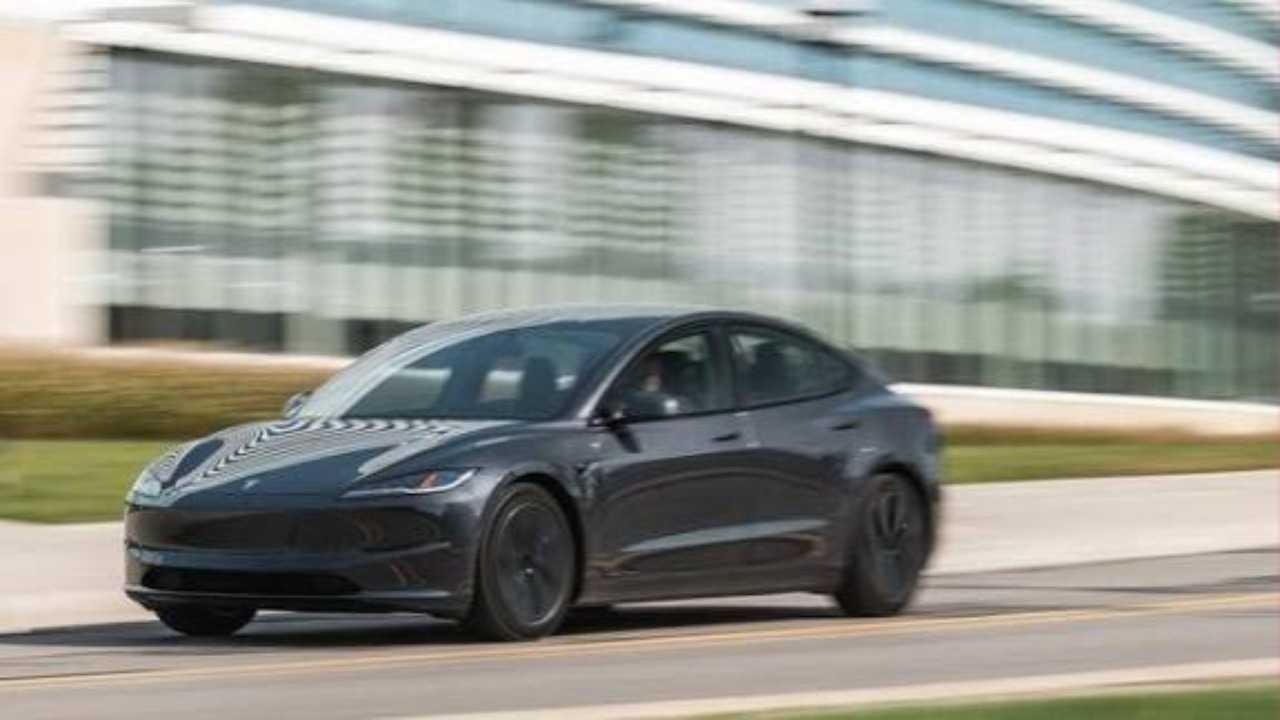
End of tax credit fuels US electric vehicle sales surge
General Motors and Ford reported strong U.S. sales growth for the third quarter on Wednesday, driven in part by a surge in electric vehicle (EV) purchases ahead of the expiration of a key federal tax credit. GM said its EV sales more than doubled compared with the same period last year, while Ford’s EV and hybrid sales rose nearly 20 percent. Both automakers also benefited from increased demand for popular internal-combustion engine (ICE) models.
Despite concerns over President Donald Trump’s multiple tariff announcements, U.S. car sales have remained resilient, partly because the industry has largely absorbed higher costs so far. A recent forecast from Edmunds suggested the third quarter was the strongest for U.S. auto sales since 2019.
GM reported a 7.7 percent rise in sales, reaching 710,347 vehicles, while Ford’s sales climbed 8.2 percent to 545,522 units. “We have the best lineup of ICE and EV vehicles we’ve ever had, and our brands have grown market share with consistently strong pricing, low incentives, and healthy inventory,” said Duncan Aldred, GM’s senior vice president and president of North America. Andrew Frick, president of Ford’s Blue and Model e, highlighted “strong performance across gas, hybrid, and electrified powertrains.”
The EV sales surge coincided with the impending phaseout of a federal tax incentive that provides up to $7,500 per vehicle, part of Trump-era tax legislation that extended numerous corporate tax cuts. According to Cox Automotive estimates, U.S. consumers purchased a record 410,000 EVs in the third quarter, a 21 percent increase from a year earlier. However, EVs still represented less than 10 percent of GM’s total sales and roughly 16 percent of Ford’s during the period.
Both automakers also reported gains in key SUVs and pickup models, including the Chevrolet Silverado, Chevrolet Equinox, Ford F-Series, and Ford Expedition.
Automakers have generally avoided passing higher costs on to consumers, supported by inventories of vehicles produced before tariffs took effect. Still, industry experts expect further price increases over the next year. Cox Automotive recently projected that vehicle prices could rise between four and eight percent as manufacturers adjust to higher material and production costs.
Overall, the combination of rising EV adoption, continued demand for ICE vehicles, and strategic inventory management helped GM and Ford achieve robust sales results, positioning both companies to navigate evolving market dynamics and regulatory shifts in the coming months.