Blooming with Surrealism: Salvador Dalí's rarely showcased floral masterpieces take center in a new exhibition 'Reimagining Nature: Dalí’s Floral Fantasies'
Salvador Dalí's artistic output extended far beyond the iconic surrealist imagery of ants, eggs, spiders, and melting clocks set against dreamlike or nightmarish landscapes.
In the latter part of his career, the renowned surrealist turned his attention to a surprising new subject matter - florals.
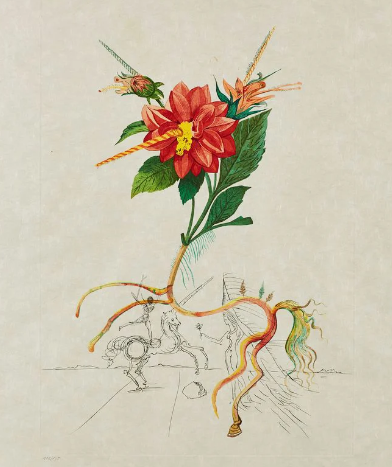
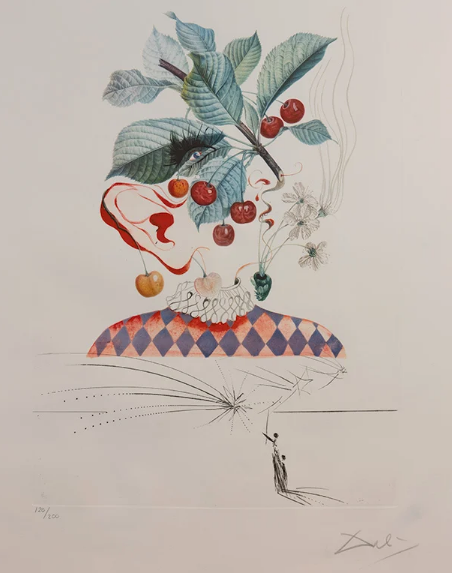
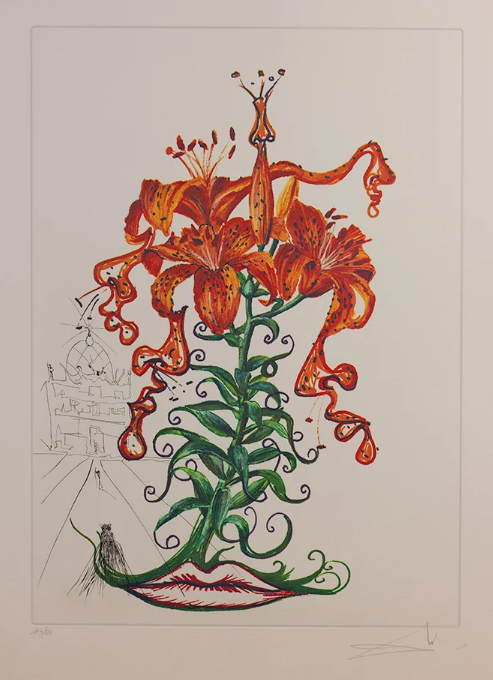
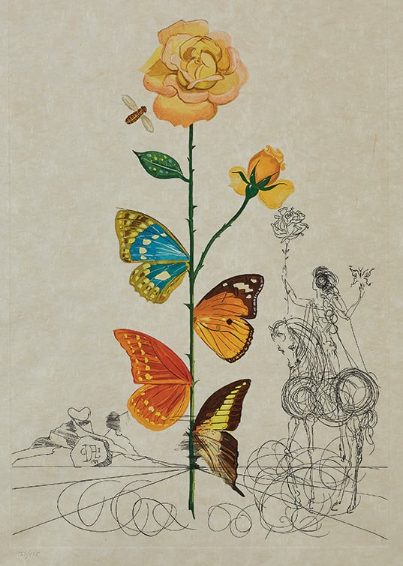
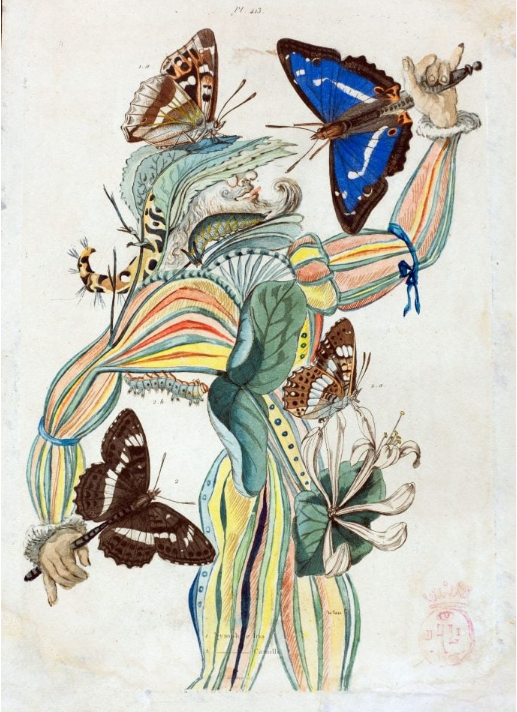
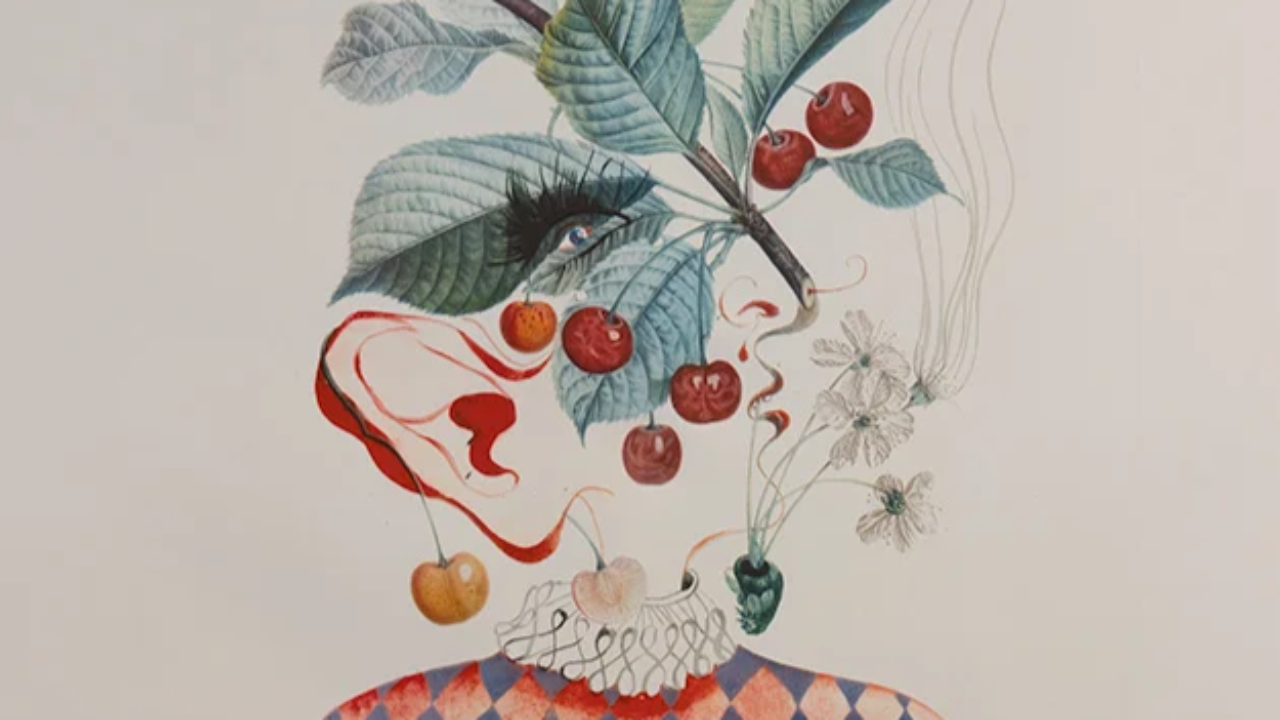
Starting in the late 1960s, Dalí created three distinct series of works that put a whimsical, imaginative spin on traditional botanical studies.
These included the 1968 "Flora Dalínae (FlorDalí)" series, the 1969 "FlorDalí (Les Fruits)" collection, and the 1972 "Florals (Surrealist Flowers)" works. Rather than painting the flowers directly, Dalí would overlay his own fantastical, otherworldly renditions of fruits and blooms onto botanical illustrations by 19th century artists like Pierre-Joseph Redouté and Pierre Antoine Poiteau.
He would then populate these pieces with his signature surrealist motifs like keys and clocks to create paintings with a delightfully illusionistic quality.
As reported by artnet, for the first time in 20 years, the Dalí Museum in St. Petersburg, Florida, is bringing together these three suites in an exhibition titled “Reimagining Nature: Dalí’s Floral Fantasies.”
Accompanying the drawings are other artworks and archival material in which Dalí’s interest in flowers can be located.
“Dalí’s long-standing fascination with botanical evolution profoundly influenced his achievements as one of the great 20th-century masters of illusionism,” said curator Peter Tush in a statement.
“For him, nature was a source of not only beauty, but also of his singular approach to visual transformation.”
While not a central focus, botanical imagery did appear in some of his earlier surrealist works.
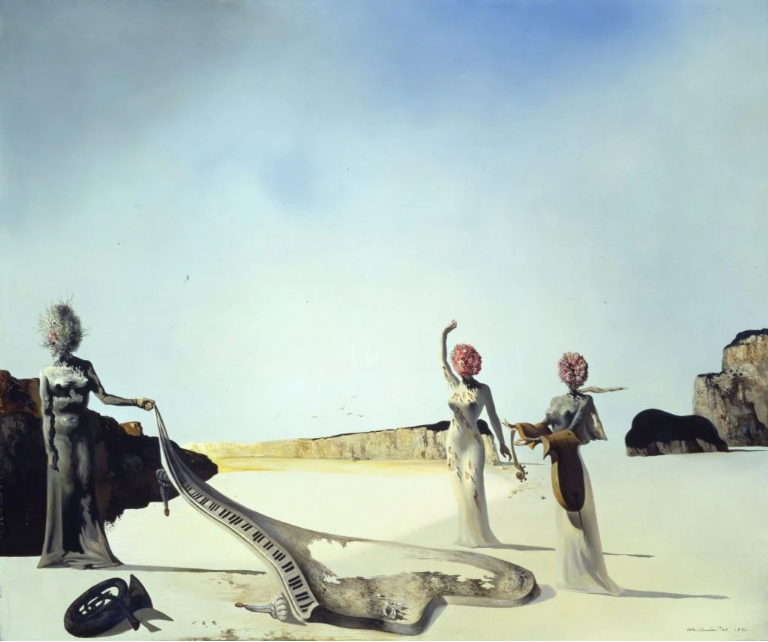
Paintings like 1936's Three Young Surrealist Women Holding in Their Arms the Skins of an Orchestra and 1937's Anatomies featured figures with flower heads, a motif he later used on a 1939 Vogue cover.
In 1958, DALI'S Meditative Rose brought a psychological tension to a realistic depiction of the titular bloom, reflecting his interest in Freudian psychoanalysis.
The artist's surrealist approach of attempting to "explode the standard field of vision" through dreams and metamorphosis naturally led him to draw inspiration from the natural world, including the plant kingdom, even if botanicals were not the primary focus of his most iconic works.
“I see the human form in trees, leaves, animals. I see animal and vegetal characteristics in humans,” he once said.
“Human beings create and change. When they sleep, they change totally—into flowers, plants, trees.”
Nevertheless, the museum noted that Dalí's floral series emerged at the height of the Pop art movement.
This timing is significant, as it was during this period that Dalí grew acquainted with leading Pop artist Andy Warhol, even sitting for one of Warhol's famous screen tests.
His botanical creations from this later stage of his career not only reflected the bold colors and provocative energies associated with Pop art, but also incorporated techniques, which marked Dali's growing foray into printmaking
“Dalí’s botanical series,” said Hank Hine, the museum’s executive director, present “a Surrealist collage to make a new phylum of beings, a new species of perception.
Dalí seems to predict the marvels of genetic engineering, pressing the boundaries of what is imaginable and inspiring new ways of seeing the world.”
“Reimagining Nature” arrives as Surrealism celebrates its first century.
The occasion is also being marked by the major exhibition “Imagine! 100 Years of International Surrealism” at the Royal Museums of Fine Arts of Belgium (later traveling to the Centre Pompidou in Paris), as well as retrospectives on artists including Remedios Varo, Lee Miller, and Dora Maar.